


Root Canals in Brookline, MA
Few dental phrases cause more anxiety than “you need a root canal.” The reality, though, is that this common procedure is nothing to fear. Root canal treatment is one of the most effective ways to relieve tooth pain, stop infection in its tracks, and preserve the natural tooth you were born with.
At Longwood Dental Group, we understand that protecting your smile goes far beyond routine cleanings and checkups. As a multi-specialty dental practice serving the greater Boston area, our specialty dentistry team brings together skilled endodontists and general dentists who work in concert under one roof, making comprehensive care as convenient as it is exceptional.
What Is a Root Canal?
 A root canal is performed to clear infected or inflamed pulp from inside a tooth. The pulp is the soft tissue at the core of each tooth that contains nerves, blood vessels, and connective tissue. When this tissue becomes infected or severely inflamed due to deep decay, a cracked tooth, repeated dental procedures, or trauma, a root canal can remove the infection and secure the tooth to prevent it from spreading.
According to the American Association of Endodontists, root canal treatment is necessary when the pulp becomes inflamed or infected, and if left untreated, the infection causes pain or leads to an abscess. Modern root canals are completed with local anesthesia, and the vast majority of patients report feeling comfortable throughout the procedure.
Signs You May Need a Root Canal
Not every toothache signals the need for a root canal, but certain symptoms are worth paying close attention to. Persistent or severe tooth pain, prolonged sensitivity to heat or cold, and darkening or discoloration of a tooth are all signs that the pulp may be compromised. Swelling or tenderness in the surrounding gums also indicates an underlying infection that warrants prompt evaluation.
What Causes Pulp Damage?
The most common causes of pulp damage may include:
- Deep decay that has reached the innermost layers of the tooth
- A crack or chip that exposes the pulp to bacteria
- Repeat procedures on the same tooth can irritate the pulp over time
- Trauma to the tooth, even when there are no visible chips or cracks
It is important to note that pulp damage does not always announce itself with obvious pain. Some patients have no symptoms at all, which is why regular dental exams are so valuable for catching problems early before they escalate.
What Happens During the Procedure
A root canal takes one to two appointments. During the procedure, the treating dentist or endodontist administers local anesthesia to numb the tooth and surrounding area. Once you are comfortable, a small opening is made in the crown of the tooth to access the pulp chamber. The infected or inflamed pulp is removed, the canals are cleaned and shaped, and the space is filled and sealed with a material called gutta-percha.
Protecting the Tooth After Treatment
After a root canal, the treated tooth is more brittle than before, so restoring it with a dental crown is generally recommended for teeth in the back of the mouth. A crown protects the tooth from fracture and restores its full chewing function. With the right restoration and proper oral hygiene, a tooth that has had a root canal may last a lifetime.
Root Canal vs. Tooth Extraction
When a tooth is seriously infected or damaged, patients sometimes wonder whether extraction is the simpler path. In most cases, preserving the natural tooth is the better choice. Removing a tooth without replacement allows surrounding teeth to move, which affects your bite and leads to further dental complications. Replacement options like implants or bridges also require additional time, procedures, and cost.
A root canal allows you to keep your natural tooth while eliminating the infection that is causing pain. Keeping a healthy oral environment also supports your overall health. Research has demonstrated a connection between poor oral health and systemic conditions, making regular attention to issues like gum disease and untreated infections all the more important. If you have been evaluated for periodontics or gum disease alongside your tooth concern, our team is equipped to address both.
Root Canal Treatment at Longwood Dental Group
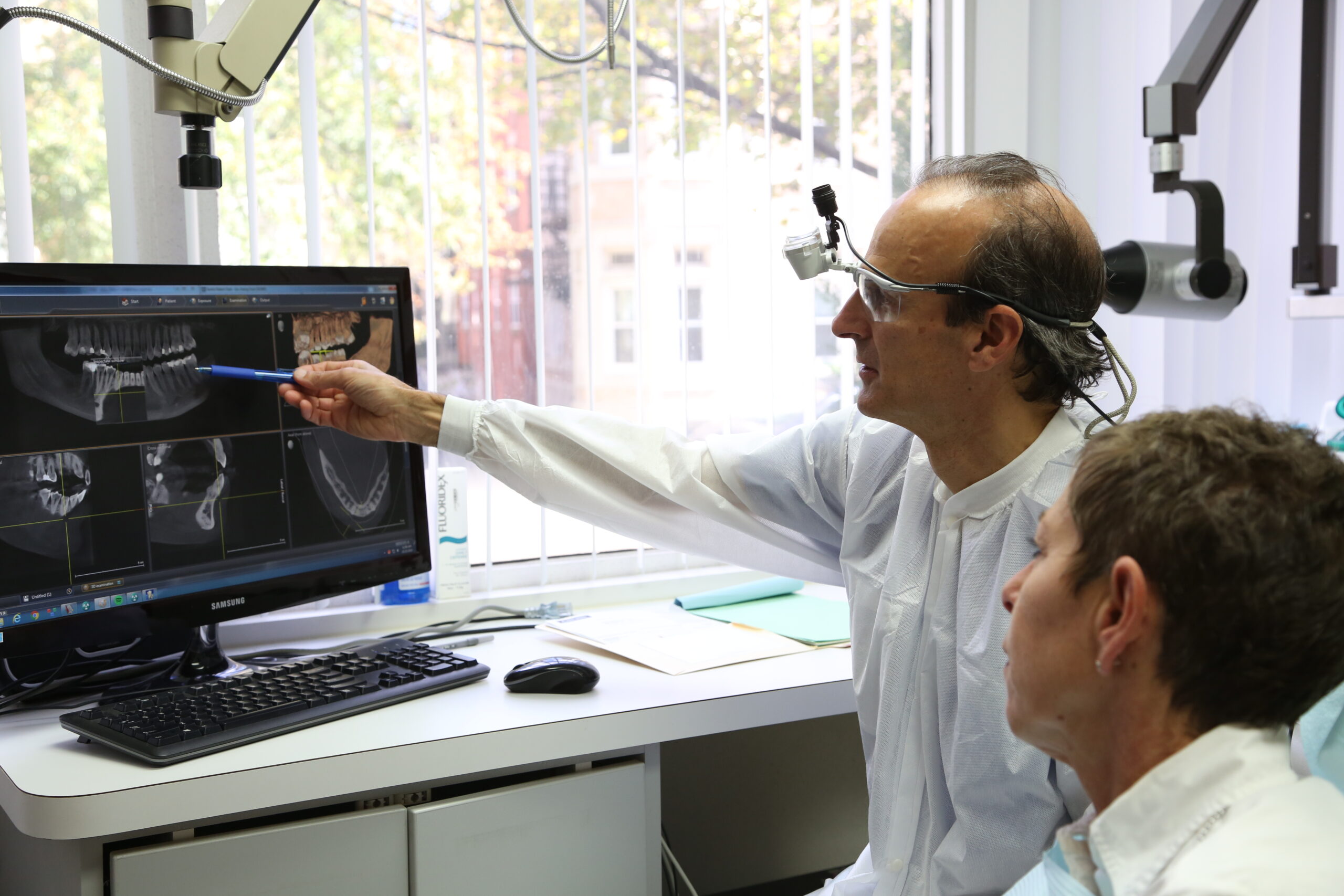
Longwood Dental Group brings together a team of skilled dental professionals, including dedicated endodontists, under one roof in the Brookline area. This multi-specialty model means you may not need to travel to a separate specialist office for advanced endodontic care. Our team uses modern techniques and technology, including 3D CT scanning and digital X-rays, to diagnose and treat root canal infections with precision and care. We also have experience managing complex cases and providing post-operative support to make recovery as smooth as possible.
If you have been having tooth pain, sensitivity, or any of the warning signs mentioned above, do not wait. Getting treatment as soon as possible may be the difference between saving your tooth and losing it. We welcome you to contact our office to schedule your evaluation with the Longwood Dental Group team today.
Endodontic Treatment Information
For detailed information on Root Canals, please click on the following documents.