

Oral cancer is one of the few cancers your dentist is positioned to detect before you notice any symptoms yourself. During a routine visit, a trained dental team can examine the soft tissues of your mouth, throat, and face for early changes that may not yet cause discomfort or be visible to you at home. That window of early detection can make a meaningful difference in outcomes, which is why oral cancer screening has been a standard part of comprehensive dental care for years.
At Longwood Dental Group, oral cancer screenings are woven into every routine exam as part of our broader general dentistry care. We use DentLight Fusion5-DOE, a state-of-the-art fluorescence-based screening device that allows our team to identify tissue abnormalities that may not yet be visible under standard lighting. Our practice has been serving patients in Brookline and the greater Boston area for over 25 years, and giving every patient the earliest possible window for detection is one of the most important things we can offer at each visit.
What Is Oral Cancer
Oral cancer refers to cancers that develop in the soft tissues of the mouth and throat, including the lips, gums, tongue, inner cheeks, the floor and roof of the mouth, and the oropharynx. According to the National Institute of Dental and Craniofacial Research, oral cancer incidence rates have risen steadily since the mid-2000s, with tens of thousands of new cases diagnosed in the United States each year. Like many cancers, oral cancer responds far better to treatment when it is identified before it has had the opportunity to spread to surrounding tissue or nearby lymph nodes.
The Goal Is to Find Abnormalities Before They Become Cancer
Our oral cancer screening protocol is not simply about looking for cancer already in progress. The objective is to identify tissue changes or pre-malignant abnormalities while they are still in early, manageable stages. Precancerous lesions in the mouth can develop gradually over several years. Catching and monitoring those changes early gives patients and their medical teams far more options and far better odds than waiting for visible symptoms to appear on their own.
To support that early detection, we use the DentLight Fusion5-DOE system as part of every comprehensive exam. This fluorescence device highlights tissue changes that may not be apparent under conventional lighting, allowing our team to see what the naked eye cannot. The scan is non-invasive, takes only minutes, and adds no additional complexity or discomfort to your visit.
Signs and Symptoms Worth Knowing
Many patients with early-stage oral cancer experience no symptoms at all, which is part of what makes routine screening so valuable. As the condition progresses, changes can include red or white patches on the gums, tongue, or inner cheeks; sores that do not heal within two to three weeks; unexplained numbness or tenderness anywhere in the mouth; difficulty chewing or swallowing; or a lump, swelling, or thickening of soft tissue inside the mouth. If you notice any of these changes between visits, do not wait for your next scheduled appointment to bring them up.
Who Is at a Higher Risk for Oral Cancer
Oral cancer can develop in anyone, but certain factors are associated with a meaningfully higher likelihood of developing the condition. Understanding your personal risk profile helps our team determine how frequently you should be screened and what tissue changes to watch over time. Common risk factors include:
- Tobacco use in any form, including cigarettes, cigars, pipes, snuff, and chewing tobacco
- Heavy or frequent alcohol use, particularly in combination with tobacco
- Human papillomavirus (HPV) infection, now recognized as a significant contributing factor in oropharyngeal cancers
- Prolonged sun exposure, which raises the risk of cancer involving the lips specifically
- A personal history of oral cancer, which warrants closer and more frequent monitoring going forward
Patients who carry multiple risk factors benefit most from consistent screening at every appointment. Our team can discuss your individual risk profile and recommend an appropriate monitoring schedule during your next dental cleaning and exam.
What Our Oral Cancer Screening Involves
Oral cancer screening is a straightforward, non-invasive component of your comprehensive dental exam at Longwood Dental Group. The process is quick and requires no preparation on your part.
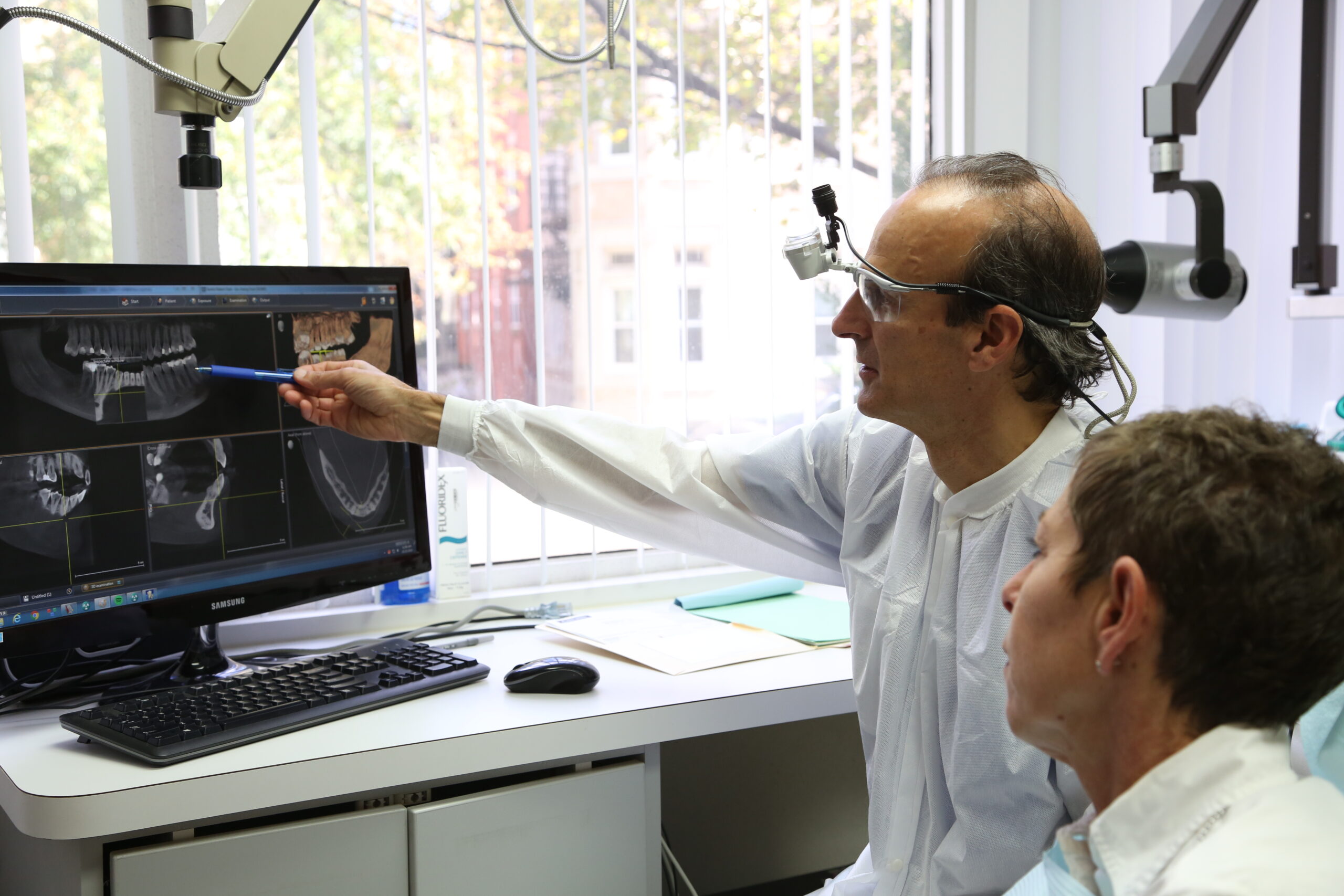
We also incorporate our digital dental X-rays into a full comprehensive exam to support a thorough overall picture of your oral health. If a suspicious lesion is found, only a biopsy can confirm whether it is cancerous. In those cases, our team guides the referral process and remains involved in your care throughout.
Why Early Detection Makes Such a Difference
The prognosis for oral cancer changes significantly based on when it is identified. When caught while still localized to the original site, the five-year survival rate is substantially higher than when the disease is found only after it has spread to surrounding tissue or lymph nodes. That difference is almost entirely a matter of timing. Routine screenings at every dental visit give our team the earliest possible window to act if something concerning appears, before symptoms develop and before the disease has had time to progress.
Oral health and overall health are deeply connected. The tissue changes that precede oral cancer are often detectable years before symptoms emerge, and patients who are screened consistently give themselves the strongest possible foundation for catching those changes early. Paired with good daily habits and regular preventive care, oral cancer screening is one of the simplest, most high-value things you can do for your long-term health at each visit to our Brookline dental office.
Frequently Asked Questions About Oral Cancer Screenings in Brookline
Here are the questions we hear most often from patients about our oral cancer screening process.
Schedule Your Oral Cancer Screening at Longwood Dental Group
Longwood Dental Group has provided patients in Brookline and the greater Boston area with thorough, forward-thinking dental care for over 25 years. Our use of DentLight Fusion5-DOE fluorescence technology reflects the same commitment to modern, patient-centered practice that has made us a Best of Boston award recipient, with a team that includes clinicians affiliated with Harvard who hold themselves to the highest standards of care at every visit. Early detection is one of the most powerful tools in managing oral health, and our team ensures it happens consistently for every patient we see.
If it has been a while since your last comprehensive dental exam, or if you have noticed any changes in your mouth you want to have evaluated, we encourage you to reach out through our online contact form. Our team is ready to help.