



When a cavity develops or a tooth sustains damage from decay or fracture, restoring it quickly is one of the most important steps you can take to protect your long-term oral health. Left untreated, decay spreads deeper into the tooth structure, leading to more involved procedures and greater discomfort down the line. Fortunately, today’s composite fillings are more durable, more natural-looking, and more effective than ever before.
At Longwood Dental Group, we’ve been providing comprehensive dental care in Brookline for over 25 years. Our team includes general dentists, prosthodontists, endodontists, and periodontists, all working together under one roof. As part of our general dentistry services, we offer tooth-colored, mercury-free composite fillings that blend seamlessly with your smile while delivering lasting structural protection.
Signs You May Need a Dental Filling
Decay doesn’t always announce itself with obvious pain. Our team often identifies early cavities at routine exams before they become symptomatic, which is one of the best reasons to stay current on your preventive visits. Common signs that a filling may be needed include:
A sharp or lingering zing when eating or drinking temperature-sensitive foods is often an early signal that enamel has been compromised by decay.
Discoloration, small holes, or rough texture on the tooth surface can indicate active decay, even if no pain is present yet.
Pain when biting or a persistent ache in a tooth are signs that decay may have reached deeper layers of the tooth structure and needs prompt attention.
Small chips and minor fractures create openings for bacteria to enter. A filling can seal and restore the tooth before decay takes hold in the damaged area.
What Are Composite Fillings?
Composite fillings (often called white or tooth-colored fillings) are made from a blend of durable resin and fine glass or porcelain particles. Unlike traditional silver amalgam, composite resin is formulated to match the natural color and texture of your tooth, making the restoration virtually invisible. This is a significant advantage for patients who want results that look as good as they feel.
Beyond aesthetics, the bonding properties of composite resin offer a real structural benefit. When the decayed portion of the tooth is removed, the composite material bonds directly to the remaining tooth structure rather than simply filling the space. This means less healthy enamel needs to be removed during preparation, a more conservative approach that helps preserve the integrity of your tooth over time. Newer formulations have shown continued improvements in durability and wear resistance, making composite the preferred choice in most clinical situations.
How the Filling Process Works
Getting a dental filling at Longwood Dental Group is a simple, comfortable, single-visit procedure. Our team takes care to ensure accuracy and that you feel at ease from start to finish.
Local anesthesia is applied to keep you comfortable throughout the procedure. Most patients feel minimal pressure during treatment and little to no discomfort.
The decayed or damaged portion of the tooth is carefully removed, preserving as much healthy tooth structure as possible, one of the hallmarks of our conservative restorative approach.
The tooth is cleaned and conditioned to create a strong bonding surface for the composite resin, ensuring a durable, long-lasting connection between the material and your tooth.
The composite resin is applied in thin layers, with each layer hardened using a specialized curing light. This incremental approach ensures a strong, well-bonded restoration.
The filling is trimmed and polished to match the natural contour and bite of your tooth, so it looks and feels completely natural when the appointment is done.
Fillings vs. Other Restorative Options
Not every damaged tooth requires a traditional filling. Depending on the extent of decay or fracture, a different restorative solution may serve you better. Our team evaluates your tooth thoroughly and recommends the option that best preserves function and appearance.
Best for: Small to medium cavities and minor chips
Placed in a single visit, bonds directly to tooth, preserves maximum healthy structure.
Best for: Larger decay covering more tooth surface
Custom-crafted restoration that fits precisely into or over the damaged area: more coverage than a filling, less than a crown.
Best for: Extensive damage or structural compromise
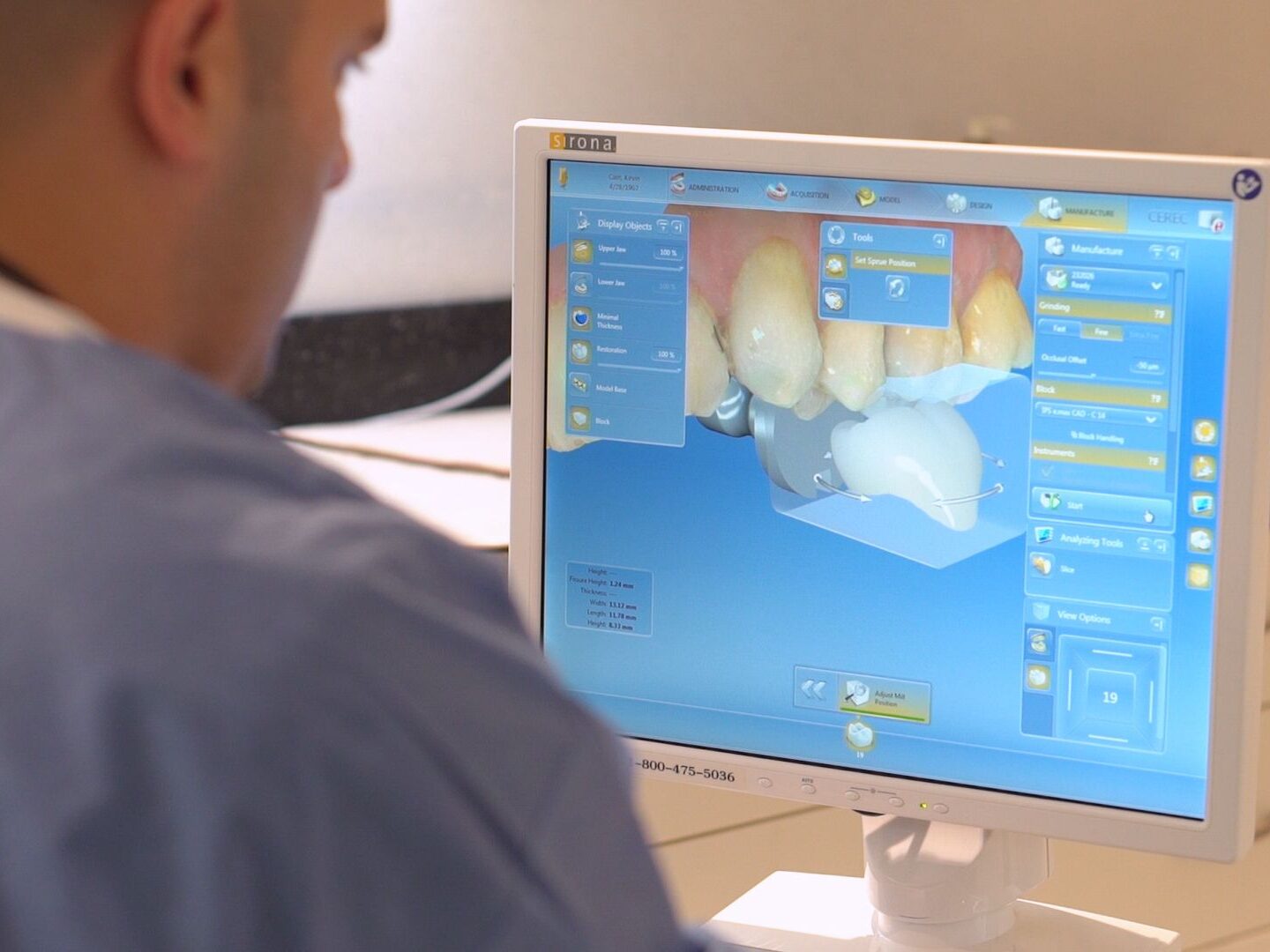
Full coverage cap that protects and restores a severely damaged tooth. Our CEREC technology can place crowns in a single visit.
Protecting Your Teeth Long Term
Addressing decay with a filling is an important step, but so is maintaining your restored teeth and preventing future cavities. Composite fillings are highly durable, but a few habits extend their lifespan significantly: consistent brushing and flossing, avoiding extremely hard or sticky foods, and staying current on routine cleanings and exams so our team can monitor existing restorations and catch early signs of new decay.
If your smile has been affected by old silver amalgam restorations, minor chips, or discoloration, replacing worn amalgam fillings with modern composite is also an option we’re happy to discuss during your appointment.
Frequently Asked Questions About Dental Fillings
How long do composite fillings last?
With proper oral hygiene and routine dental visits, composite fillings typically last 7–10 years or longer. Longevity depends on the size and location of the filling, bite forces, and how well the tooth is maintained. Our team monitors your fillings at every routine exam and will alert you if any show signs of wear or failure.
Do dental fillings hurt?
The procedure itself is performed under local anesthesia, so most patients feel little to no discomfort during the filling. Mild sensitivity to temperature or pressure is common for a few days after placement; this typically resolves on its own. If sensitivity persists beyond a week, let us know.
Are composite fillings better than silver (amalgam) fillings?
Composite resin offers several advantages over amalgam: it’s mercury-free, it matches the natural tooth color, it bonds directly to tooth structure (requiring less removal of healthy enamel), and it doesn’t expand or contract with temperature changes the way metal does. For most patients and most cavities, composite is the preferred restorative choice.
Can old silver fillings be replaced with tooth-colored composite?
Yes. Many patients choose to replace worn or failing amalgam restorations with tooth-colored composite for both aesthetic and functional reasons. We evaluate the condition of existing fillings and recommend replacement only when the restoration is failing, leaking, or causing concern, not preemptively for cosmetic reasons alone.
How do I know if I need a filling?
Many small cavities are detected on X-rays or during a visual exam before any symptoms appear, which is one of the most important reasons to keep up with routine dental visits. If you’re experiencing sensitivity, a visible dark spot, or discomfort when biting, schedule an appointment so we can evaluate the tooth and address it before it worsens.
Schedule Your Filling Appointment in Brookline
Longwood Dental Group has been one of Brookline’s most trusted dental practices for over 25 years. Our clinicians, including faculty who teach at Harvard, bring attentiveness and expertise to every procedure, no matter how routine. We offer extended hours and serve patients in 8 languages.