

Dental Bonding in Brookline, MA
Your smile deserves to be seen, and a single chip, gap, or stain should not have the power to hold it back. Dental bonding is one of the most versatile and accessible cosmetic treatments available today — capable of transforming the appearance of a tooth in as little as one appointment, with no laboratory wait and no extensive preparation.
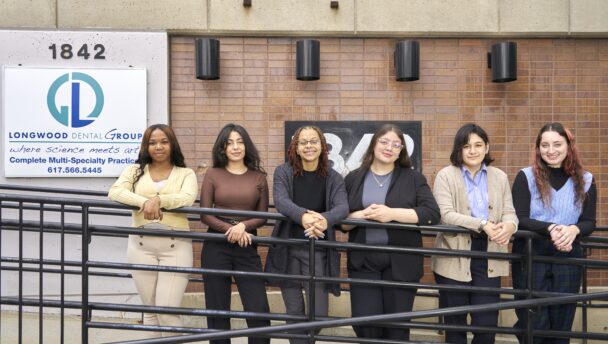
At Longwood Dental Group, our team of general dentists and specialists has been delivering comprehensive, high-quality dental care from our Brookline location for over 40 years. We handle everything under one roof, from simple cosmetic improvements to complex restorations, so you never need a referral to get the smile you want.
What Is Dental Bonding?
Dental bonding is a cosmetic procedure in which a tooth-colored composite resin is applied directly to the surface of a tooth, shaped to the desired form, and hardened using a specialized curing light. The result is a restoration that blends seamlessly with your natural teeth, correcting imperfections without requiring extensive preparation or multiple visits.
The American Dental Association notes that resin composites have shown increasingly long survival rates and reliability as direct restorative materials, making them a trusted choice for both cosmetic and functional applications.
What Can Dental Bonding Correct?
Dental bonding addresses a wide range of cosmetic concerns. Our team routinely uses it for:
Composite resin restores the shape and structure of a damaged tooth so it looks whole again, often in a single appointment.
Bonding can close small spaces between teeth without the commitment of orthodontic treatment.
Teeth that resist whitening due to intrinsic staining or medication can be covered with a shade-matched resin.
Bonding adds material to reshape teeth that are too small, pointed, or irregular, creating a more balanced smile.
When gum recession leaves a root surface visible, bonding can protect and cover the area without surgery.
For patients with more extensive cosmetic goals, bonding can be combined with other treatments such as dental veneers or professional teeth whitening for a more comprehensive transformation.
The Dental Bonding Process: Step by Step
Dental bonding is one of the most straightforward procedures in cosmetic dentistry. In most cases, anesthesia is not required unless the bonding is being placed near a nerve or alongside a filling. The entire process generally takes 30 to 60 minutes per tooth.
Shade Selection
Your dentist selects a composite resin shade that closely matches your natural tooth color, ensuring the result blends invisibly with surrounding teeth.
Surface Preparation
The tooth surface is lightly etched to create a slightly roughened texture, which allows the bonding agent to adhere properly. No significant enamel removal is required.
Resin Application & Sculpting
The composite resin is applied, then carefully sculpted into the desired shape. Your dentist molds the material directly on the tooth for a precise, custom fit.
Curing & Polish
A curing light hardens the resin in place. A final polish brings the restoration to a smooth, natural-looking finish. You leave with a completed result the same day.
Dental Bonding vs. Other Cosmetic Options
Bonding is an excellent starting point for many patients, but the right treatment depends on the extent of the concern and your long-term goals. Here is how bonding compares to the most common alternatives:
| Factor | Dental Bonding | Porcelain Veneers | Dental Crown |
|---|---|---|---|
| Visits Required | 1 visit | 2 visits | 1–2 visits |
| Enamel Removal | Minimal | Minimal | Significant |
| Typical Lifespan | 5–10 years | 10–15 years | 10–15+ years |
| Stain Resistance | Moderate | Excellent | Excellent |
| Best For | Minor chips, gaps, stains | Multiple cosmetic concerns | Structural damage, large decay |
Our team will walk you through the tradeoffs at your consultation and recommend the option that delivers the best long-term result for your specific situation.
How Long Does Dental Bonding Last?
With proper care, dental bonding can last anywhere from five to ten years before a touch-up or replacement may be needed. The longevity of bonded restorations depends on where the bonding is placed, your bite pattern, and daily habits. Composite resin is somewhat more susceptible to staining from coffee, tea, and red wine than natural enamel, so patients who consume these regularly may notice gradual discoloration over time.
Avoiding biting directly on hard objects like ice or fingernails can also extend the life of your bonding significantly. Routine dental cleanings and exams give your dentist the opportunity to monitor bonded restorations and address early signs of wear before a larger issue develops.
Why Choose Longwood Dental Group for Dental Bonding?
General dentists, prosthodontists, periodontists, and implant specialists under one roof — so if your goals extend beyond bonding, we handle it all without referrals.
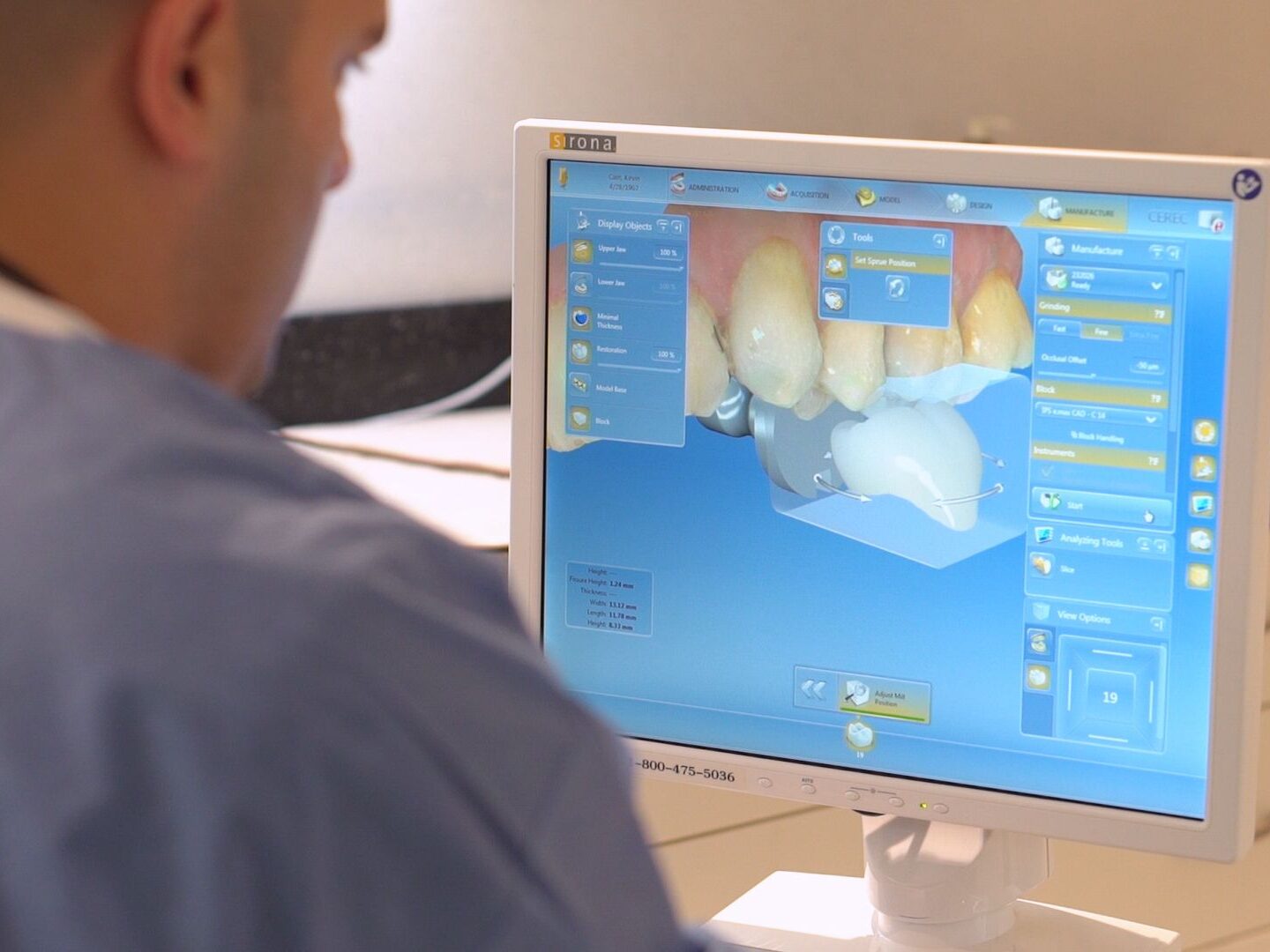
Our own dental laboratory and CEREC technology let us deliver custom restorations with quality control most practices send to an outside lab.
Recognized by peers for consecutive years — a reflection of the depth of experience and attention to detail our team brings to every procedure.
Over four decades serving the greater Boston community, with the experience to handle simple cosmetic cases and complex restorations alike.
Frequently Asked Questions About Dental Bonding in Brookline
Is dental bonding painful?
Dental bonding is generally painless and does not require anesthesia in most cases. The tooth surface is lightly etched, and the resin is applied and shaped without any drilling. If the bonding is being placed near a sensitive area or alongside a filling, a local anesthetic may be used for comfort.
How long does dental bonding last?
With proper care, dental bonding typically lasts five to ten years before a touch-up or replacement is needed. Avoiding habits like biting ice or fingernails, limiting heavily pigmented foods and drinks, and keeping up with regular cleanings all help extend the life of your bonding.
Can bonding fix a chipped front tooth?
Yes — chipped front teeth are one of the most common applications for dental bonding. The composite resin is color-matched to your surrounding enamel and sculpted to restore the tooth’s original shape. The result is seamless and is typically completed in one appointment.
Will bonding stain over time?
Composite resin is more porous than natural enamel and can pick up staining from coffee, tea, red wine, and tobacco over time. Maintaining good oral hygiene, attending regular professional cleanings, and rinsing with water after consuming staining beverages all help keep bonded teeth looking bright.
How is bonding different from veneers?
Bonding uses composite resin applied directly to the tooth in one visit, with minimal preparation. Veneers are custom-crafted porcelain shells fabricated in a lab and bonded to the tooth at a second appointment. Veneers are more stain-resistant and longer-lasting, making them better suited for patients with multiple cosmetic concerns or a desire for a more permanent solution. Bonding is ideal for minor corrections where a conservative, affordable option is the priority.
Does insurance cover dental bonding?
Coverage depends on why the bonding is being placed. When done for purely cosmetic reasons, most plans do not cover it. When bonding is used to repair a chipped or fractured tooth or to cover an exposed root surface, some plans may provide partial coverage. Our team will help you review your benefits before treatment begins.
Ready to Repair Your Smile?
Schedule a cosmetic consultation at Longwood Dental Group in Brookline. Our team will evaluate your smile, walk you through your options, and let you know whether bonding, veneers, or another approach will give you the best result.