

If you’re missing one or more teeth, a dental bridge offers a time-tested, reliable solution to restore your smile’s appearance, function, and structural integrity. At Longwood Dental Group in Brookline, MA, our experienced team designs custom dental bridges that blend seamlessly with your natural teeth, so you can eat, speak, and smile with confidence again.
What Is a Dental Bridge?
A dental bridge is a fixed prosthetic restoration that literally “bridges” the gap left by one or more missing teeth. The bridge is anchored to the natural teeth (or dental implants) on either side of the gap, called abutment teeth, and holds one or more artificial replacement teeth, known as pontics, in between.
Unlike removable dentures, a dental bridge is permanently cemented in place. Once fitted, it looks, feels, and functions like your natural teeth. Most patients adapt to their new bridge within a few days and report no meaningful difference in chewing or speaking.
Types of Dental Bridges We Offer
Not every missing tooth situation is the same. At Longwood Dental Group, we offer several bridge options and will recommend the most appropriate solution based on your oral health, the location of the missing teeth, and your goals. For more complex cases, here are the signs you may need a prosthodontist.
The most common type. Two crowns are placed over the abutment teeth on each side of the gap, with one or more pontics held in between. Ideal when you have healthy natural teeth on both sides of the missing tooth.
Instead of crowns on natural teeth, this bridge is anchored by dental implants. It preserves adjacent natural teeth, prevents bone loss, and provides exceptional stability, often considered the gold standard for multi-tooth replacement.
Used when there is only one natural tooth adjacent to the gap. The pontic is supported by a crown on just one side. This option is less common but appropriate in specific clinical situations.
Why Replacing a Missing Tooth Matters
Many people assume a missing tooth is primarily a cosmetic issue, but the consequences extend well beyond your smile’s appearance. When a tooth is lost, the surrounding bone begins to resorb (break down) within months because it no longer receives the stimulation it needs. Adjacent teeth may drift or tilt into the empty space over time, causing bite misalignment and increasing the risk of additional tooth loss.
Jaw bone deteriorates without tooth root stimulation
Adjacent teeth drift into the gap, altering your bite
Missing teeth force you to overcompensate on the opposite side
Bone loss over time can alter the contours of your face
A dental bridge addresses these concerns immediately: restoring function, preventing neighboring teeth from moving, and maintaining the natural contours of your face and jaw.
The Dental Bridge Process: Step by Step
Receiving a dental bridge at Longwood Dental Group typically takes two office visits, with a temporary bridge placed in between to protect your teeth while your permanent restoration is crafted at the lab.
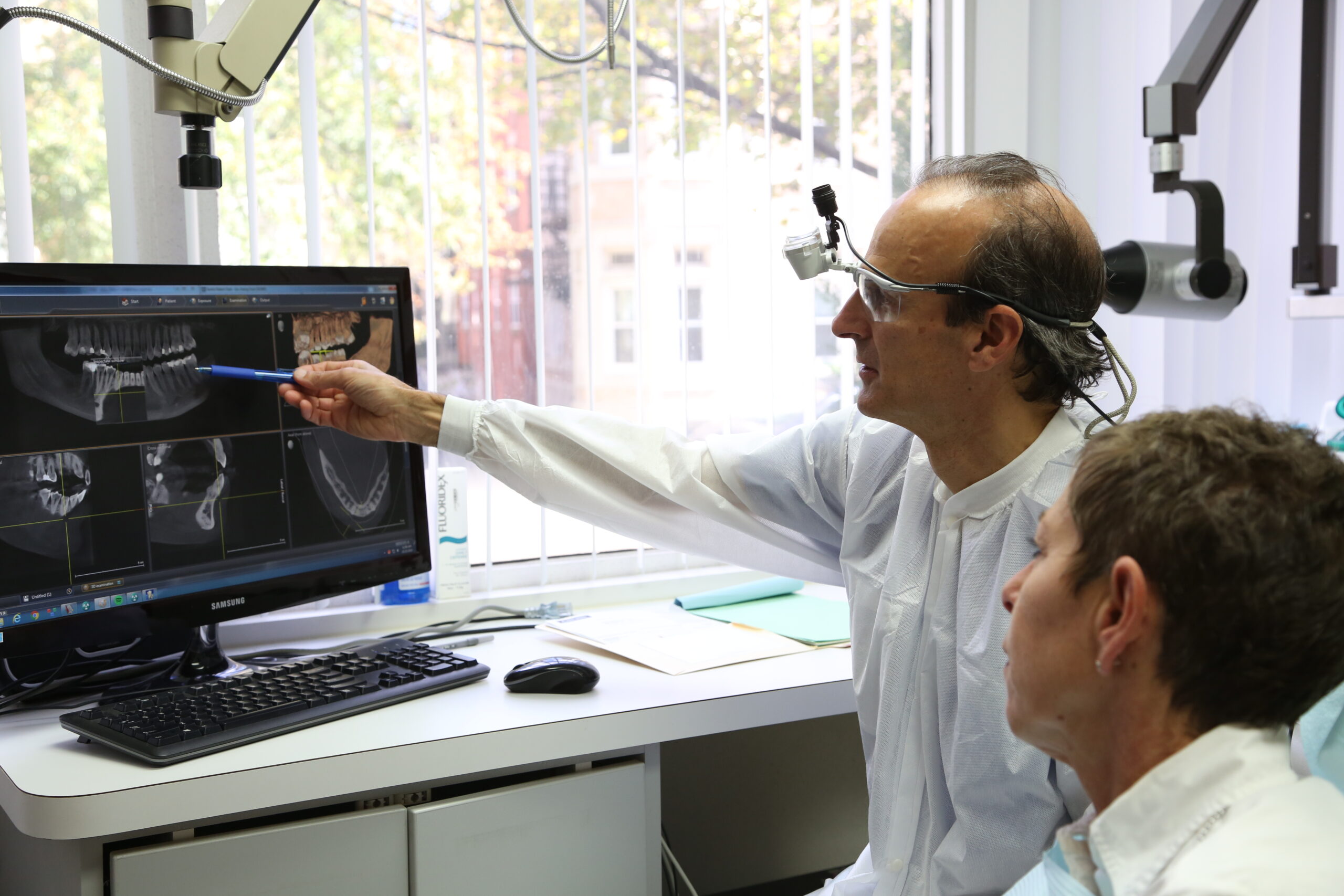
We evaluate your oral health, review X-rays, and discuss your tooth replacement goals. We’ll confirm whether a bridge is the right option or whether implants may serve you better long-term.
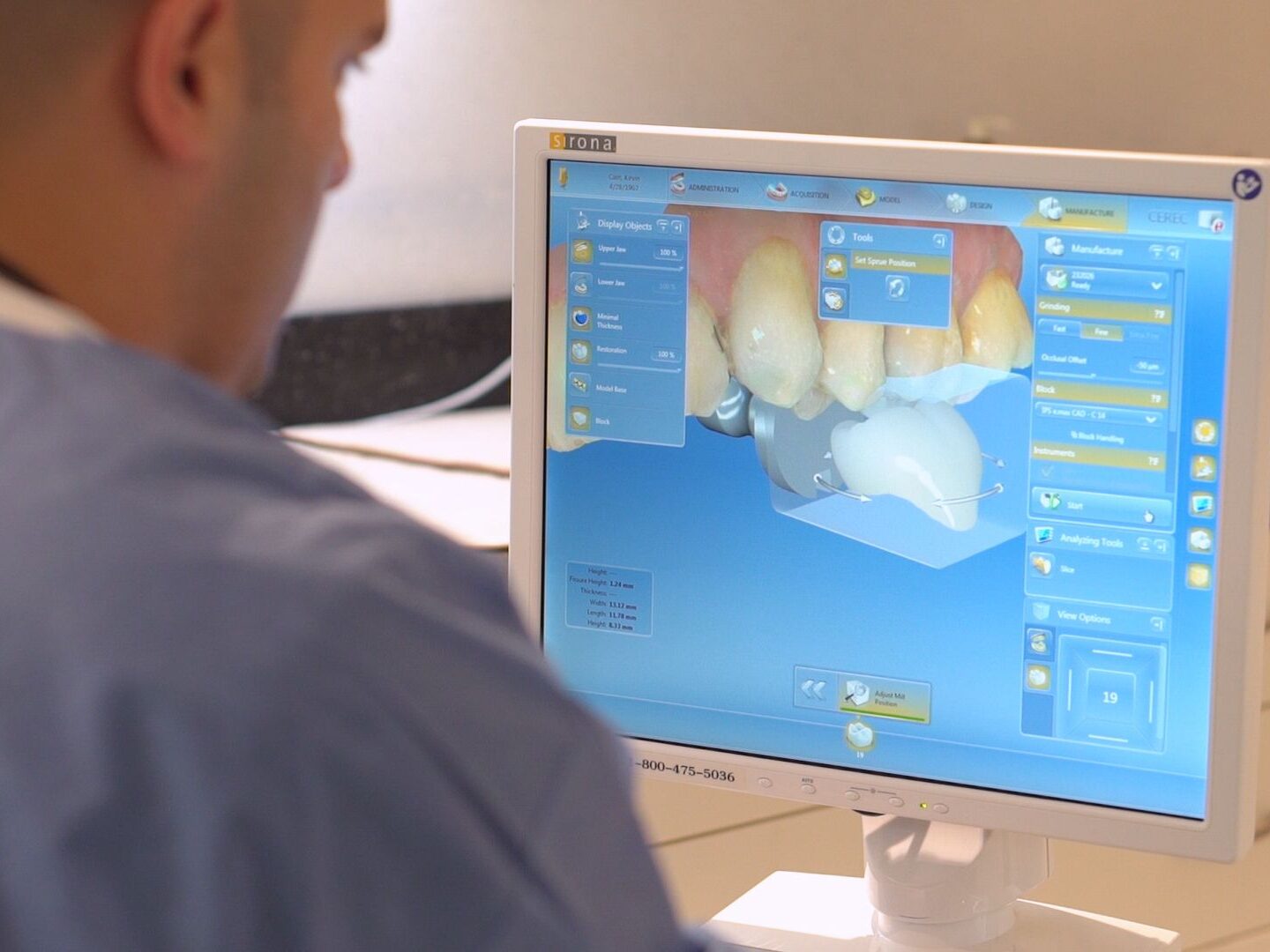
The abutment teeth are gently shaped (recontoured) to create a stable base for the crowns. Precise impressions are taken and sent to a dental lab where your custom bridge is fabricated to match your bite and tooth color exactly.
We fit you with a temporary bridge to protect the prepared teeth and exposed gum tissue while the permanent bridge is being made, typically one to two weeks. You can return to normal activities right away.
At your second visit, we remove the temporary bridge and cement your permanent restoration. We carefully check your bite and make any final adjustments to ensure a comfortable, precise fit.
Caring for Your Dental Bridge
With proper care, dental bridges routinely last 10 to 15 years, and often significantly longer. Here’s how to protect your investment:
Brush twice daily with a soft-bristle toothbrush. Pay close attention to the margin where the crown meets the gum line.
Use a floss threader, interdental brush, or water flosser to clean beneath the artificial tooth; this area traps food and bacteria if neglected.
Ice, hard candies, and sticky foods can fracture or dislodge bridge components. Eat soft foods for the first few days post-placement and use common sense afterward.
Schedule exams and cleanings every six months so we can monitor the bridge and the health of the supporting abutment teeth.
Dental Bridges vs. Dental Implants
Bridges and implants are both excellent tooth replacement options, but they work differently and suit different situations. Here’s a straightforward side-by-side:
| Dental Bridge | Dental Implant | |
|---|---|---|
| Treatment Time | 2 visits, 1–2 weeks | Several months (includes healing) |
| Surgery Required | No | Yes |
| Bone Preservation | Does not prevent bone loss | Stimulates and preserves bone |
| Adjacent Teeth | Abutments must be prepared | No adjacent teeth affected |
| Insurance Coverage | Frequently covered | Often limited coverage |
| Lifespan | 10–15+ years | 20+ years with proper care |
Our dentists will walk you through both options during your consultation and help you make the right decision for your oral health, budget, and timeline.
Frequently Asked Questions About Dental Bridges
How long do dental bridges last?
With good oral hygiene and regular dental visits, most bridges last 10 to 15 years or longer. Implant-supported bridges tend to last even longer due to their superior stability and the bone-preserving effect of the implant posts.
Does getting a dental bridge hurt?
The procedure is performed under local anesthesia, so you should feel no pain during treatment. Some mild sensitivity around the abutment teeth is normal for a few days after each visit and resolves quickly.
Can I eat normally with a dental bridge?
Yes. After an initial period of eating softer foods for the first few days post-placement, most patients eat everything they normally would. We recommend avoiding extremely hard or sticky foods as an ongoing precaution.
Does dental insurance cover bridges?
Most dental insurance plans cover a portion of bridge costs, since bridges are classified as a restorative procedure. We’ll help you understand your specific coverage and available payment options before treatment begins.
Is a bridge better than an implant for me?
It depends on your individual situation. Bridges are faster, non-surgical, and more frequently covered by insurance, making them a strong choice for patients who want a reliable solution quickly. Implants preserve jawbone and don’t require modifying adjacent teeth, making them the better long-term investment if you’re a good candidate. We’ll discuss both options in detail at your consultation.
Ready to Restore Your Smile?
Contact Longwood Dental Group in Brookline, MA to schedule your dental bridge consultation. Our team will evaluate your options and build a treatment plan tailored to your goals and budget.