

Whether you’re missing several teeth or an entire arch, dentures in Brookline, MA at Longwood Dental Group offer a comfortable, natural-looking solution that restores your ability to eat, speak, and smile with confidence. Modern dentures have come a long way; today’s prosthetics are precisely fitted, aesthetically refined, and more durable than ever before.
What Are Dentures?
Dentures are removable prosthetic appliances designed to replace missing teeth and the surrounding soft tissue. The base (typically crafted from acrylic resin tinted to match your natural gum color) supports a set of custom-shaded replacement teeth made from resin or porcelain. The result is a restoration that closely mimics the look and function of your natural smile.
At Longwood Dental Group, every set of dentures is custom-fabricated by a dental laboratory using precise impressions and measurements of your mouth. There is no “one size fits all”; your dentures are built specifically for you.
Types of Dentures at Longwood Dental Group
Depending on how many teeth you’re missing and the condition of your remaining natural teeth, we may recommend one of the following options:
Replace an entire arch of upper or lower teeth. Full dentures rest on the gum line and are held in place by natural suction or a small amount of denture adhesive. Best for patients who have lost all or nearly all teeth in one arch.
Fill gaps left by several missing teeth when healthy natural teeth remain. Partial dentures use a framework, often with metal clasps, that attaches to the remaining natural teeth, preventing neighboring teeth from drifting out of alignment.
Anchored to 2–4 dental implants placed in the jawbone, these “snap-in” dentures provide exceptional stability: no slipping, no rocking. They also help preserve jawbone density, which traditional dentures cannot. An excellent upgrade for patients who want maximum security and long-term oral health.
Am I a Candidate for Dentures?
Dentures are a strong solution if you are experiencing any of the following:
Missing most or all teeth in one or both arches
Remaining teeth cannot be saved with fillings or crowns
Periodontal disease has caused tooth and bone loss
Missing teeth are affecting your diet and daily life
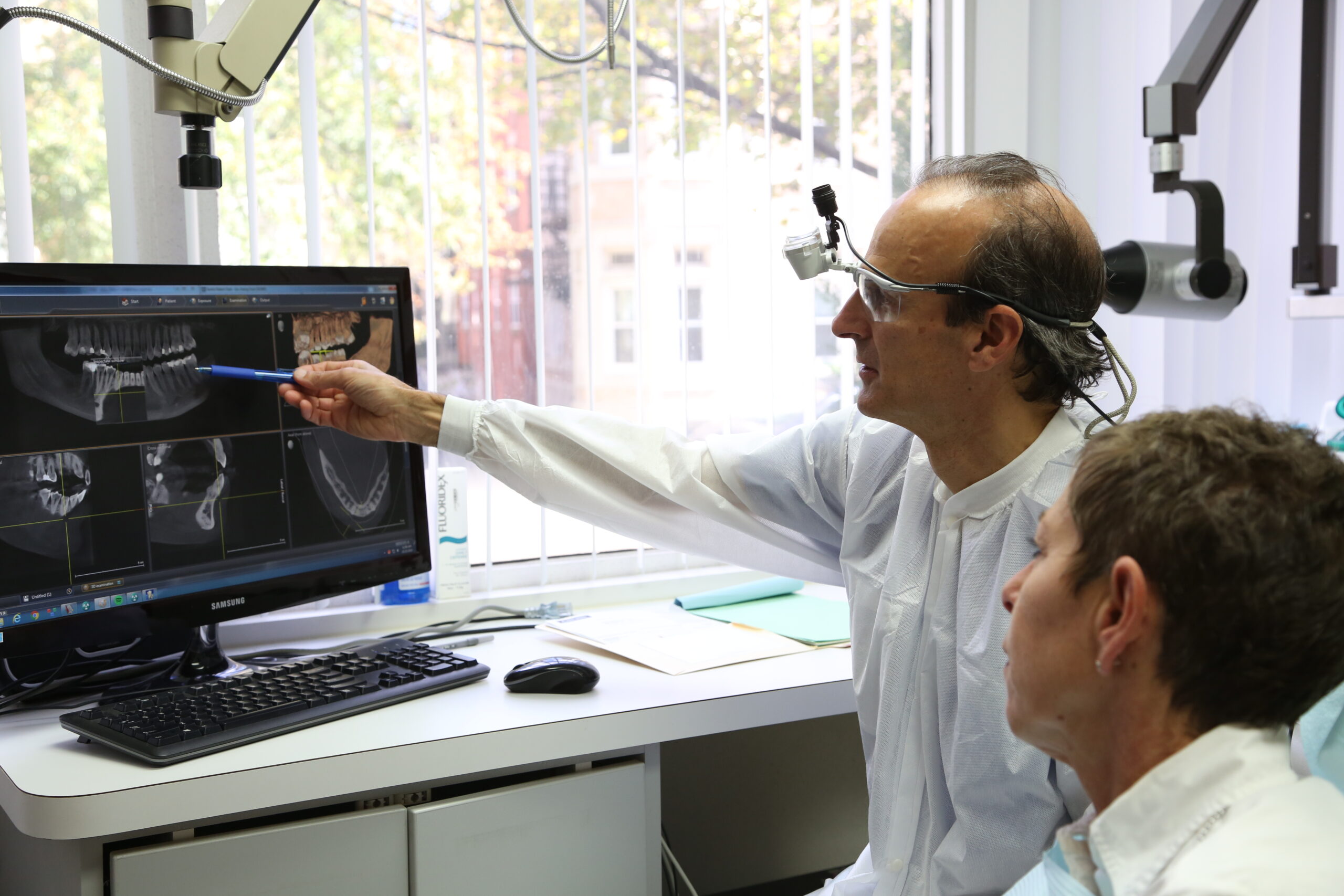
Our team will evaluate your oral health, take X-rays, and review your medical history to confirm candidacy and identify which denture type best fits your lifestyle and budget. If implant-supported dentures are an option, we’ll walk through that path with you as well.
The Denture Process at Longwood Dental Group
Getting dentures is a multi-step process that ensures your restoration fits comfortably and looks completely natural. Here’s what to expect from start to finish:
We assess your oral health, review any remaining teeth and bone structure, and discuss your goals and lifestyle. This visit determines whether full, partial, or implant-supported dentures are right for you, and whether any extractions are needed first. If you are weighing your options, our comparison of dental implants vs. dentures explains how the two differ.
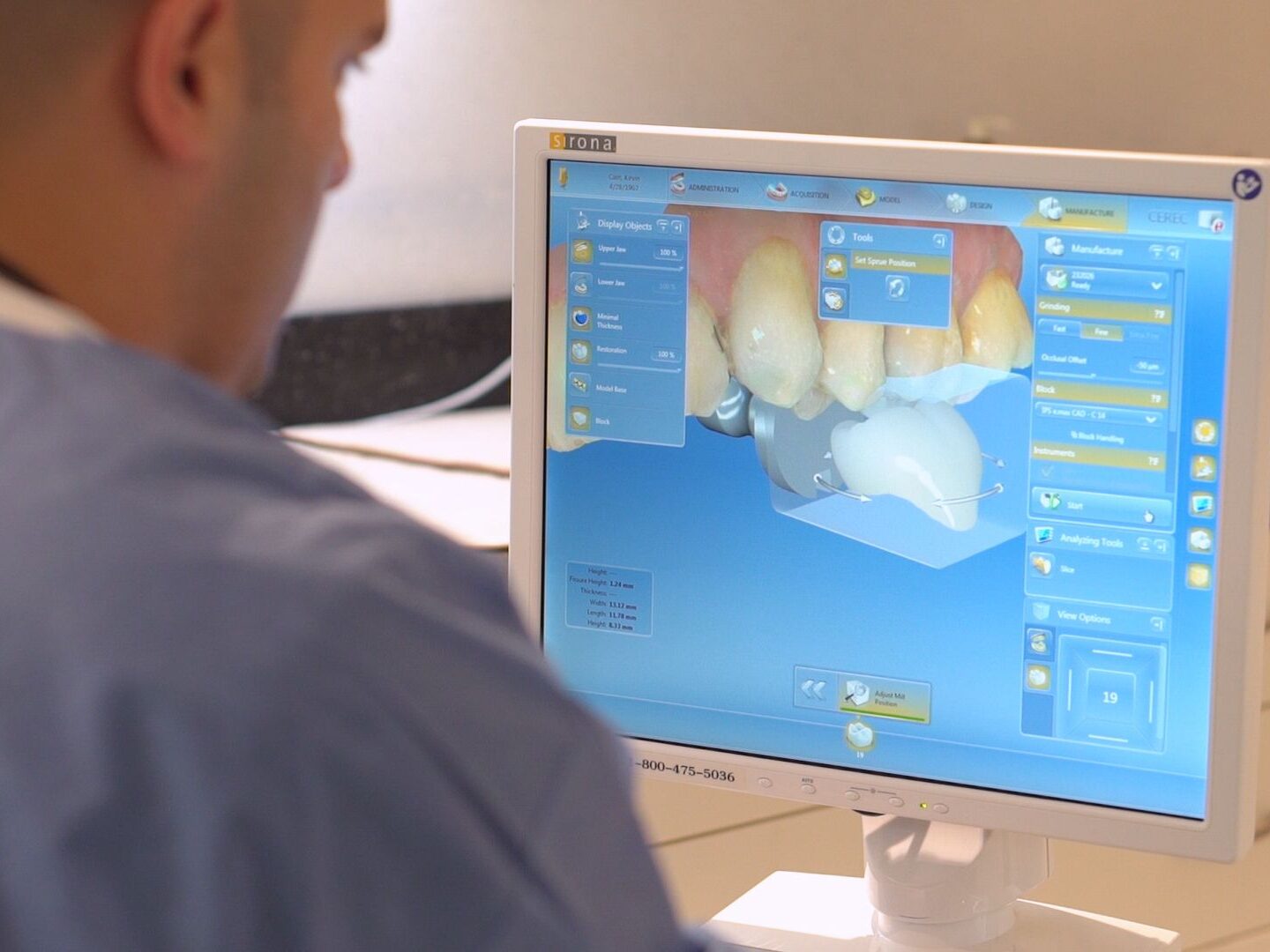
We take detailed impressions of your mouth and record your jaw dimensions. These are sent to the dental lab and used to create a precise model, ensuring your dentures fit your unique anatomy.
The dental lab crafts your dentures, custom-shading and shaping the replacement teeth to complement your facial features. In some cases, we’ll have you try a wax model in-office so we can verify fit and appearance before the final set is completed.
When your dentures are complete, we fit them and make any chairside adjustments needed for proper comfort and bite. A follow-up visit to refine the fit is completely normal and expected.
We remain your partner throughout your denture journey. At your regular check-ups, we monitor fit and tissue health, and can reline, rebase, or remake your dentures as your mouth naturally changes over time.
Benefits of Modern Dentures
Today’s dentures are a dramatic improvement over the appliances of past decades. Here’s what you gain when you restore your smile with Longwood Dental Group:
Eat more of the foods you enjoy. Dentures restore meaningful chewing ability so you can maintain a nutritious, varied diet.
Missing teeth affect pronunciation. Dentures fill the gaps, helping you speak clearly and confidently in every situation.
Custom shading and precise sculpting mean most people won’t know you’re wearing dentures. Many patients find their smile looks better than it did before.
Dentures fill out the cheeks and lips, preventing the facial sagging that accompanies significant tooth and bone loss over time.
Compared to full-arch implant solutions, dentures offer an affordable path to a complete smile, with most insurance plans providing partial coverage.
Combining Dentures with Dental Implants
For patients who want the coverage of dentures with the stability of implants, implant-supported dentures offer the best of both worlds. We carefully plan the placement of 2–4 implants in your jawbone. Once healed, your denture snaps securely onto the implants, eliminating the movement, slipping, and adhesive dependency of traditional removable dentures.
In many cases, existing dentures can be converted to snap onto newly placed implants. If you’ve struggled with loose or uncomfortable traditional dentures, this upgrade is worth a conversation.
How to Care for Your Dentures
Proper denture care protects your investment and keeps your mouth healthy. Follow these daily habits:
Use a soft-bristle denture brush, not regular toothpaste (which is abrasive), to remove food particles and plaque from all surfaces of the appliance.
Keep dentures in denture-cleaning solution or plain water when not in use. Never let them dry out; this causes warping. Avoid hot water, which distorts acrylic.
Before inserting your dentures each morning, brush your gums, tongue, and palate with a soft brush to stimulate circulation and remove bacteria.
Annual exams let us monitor denture fit and the health of your gum tissue and jawbone, catching changes before they cause problems.
Frequently Asked Questions About Dentures
How long do dentures last?
With proper care, dentures typically last 5 to 10 years. Over time, your mouth changes: bone resorbs and gum contours shift, so relining or remaking your dentures may be needed. Annual check-ups help us stay ahead of these changes.
Will dentures look natural?
Yes. Modern dentures are custom-shaded and shaped to complement your facial features. Many patients report that their dentures look better than their remaining natural teeth did before treatment.
Are dentures uncomfortable to wear?
New dentures require an adjustment period; most patients need two to four weeks to adapt fully. Mild soreness, increased saliva, and minor speech changes are normal and temporary. A quick follow-up visit addresses any persistent pressure spots.
Can I sleep with my dentures in?
We generally recommend removing dentures at night. This allows your gum tissue to rest, reduces the risk of bone resorption under the base, and extends the life of your appliance.
What’s the difference between regular dentures and implant-supported dentures?
Traditional dentures rest on the gums and rely on suction or adhesive. Implant-supported dentures snap onto 2–4 titanium implants, eliminating movement, improving chewing force, and slowing bone loss. They’re a meaningful upgrade for patients who want maximum stability.
Does insurance cover dentures?
Most dental insurance plans provide partial coverage for dentures as a restorative procedure. We’ll review your plan benefits and discuss flexible payment options at your consultation so there are no surprises.
Choose Longwood Dental Group for Dentures in Brookline, MA
Our compassionate team will walk you through every option, answer your questions, and create a restoration plan built around your needs and budget. Call us today or request an appointment online.