

Your smile may look and feel different when too much gum tissue covers your teeth or when damage extends below the gumline. Whether a tooth has broken near the root or your gums are too high on your teeth, these issues can make it difficult to place a restoration or may leave you feeling self-conscious about your appearance. Crown lengthening is a targeted periodontal procedure designed to reshape gum tissue and, when necessary, a small amount of bone to reveal more of the natural tooth structure underneath.
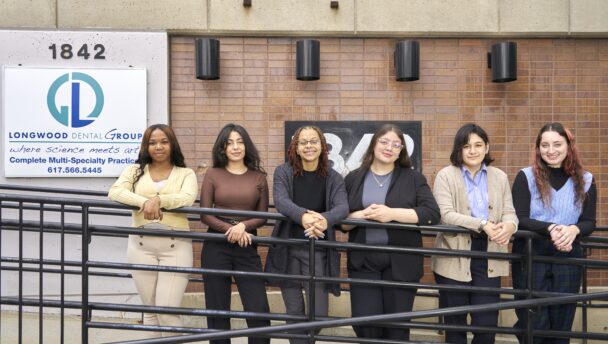
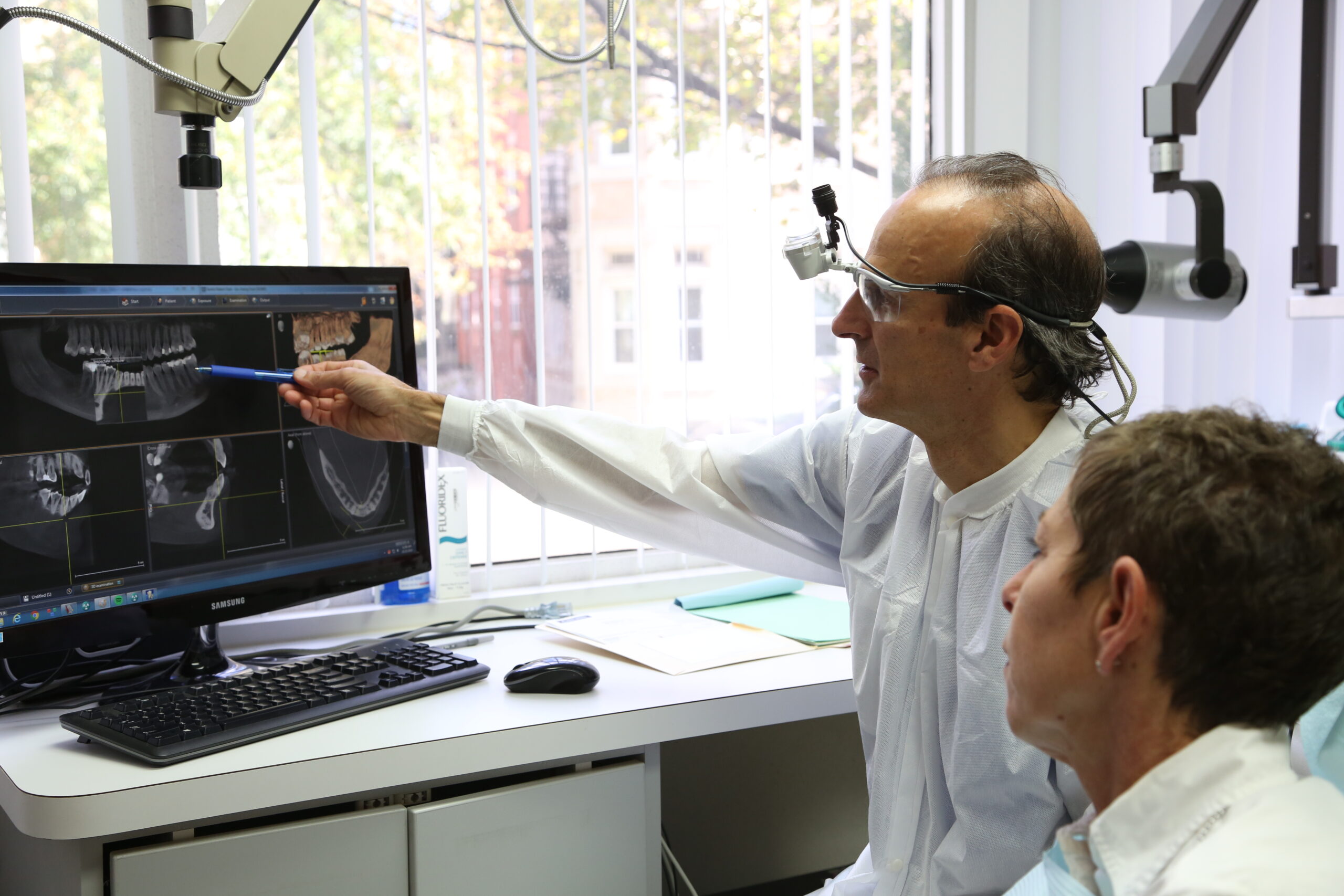
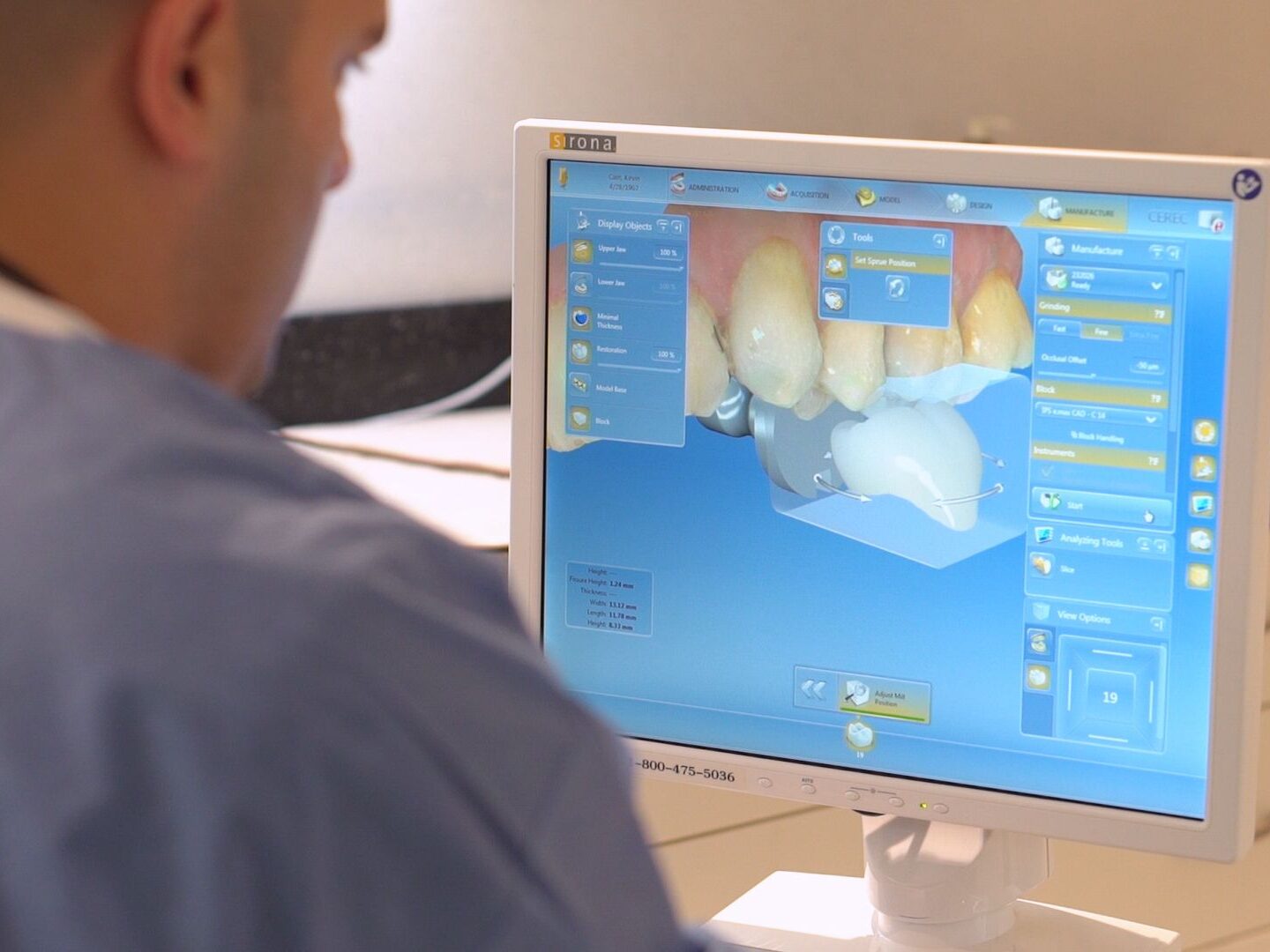
At Longwood Dental Group, we provide crown lengthening as part of our comprehensive periodontal care in Brookline. With an in-house dental laboratory, advanced technology like CEREC, and a team of clinicians who include periodontists and prosthodontists working side by side, we are equipped to handle even the most complex cases. Many of the procedures other offices refer out are the same ones we perform every day, all under one roof so you can feel comfortable and confident throughout the process.
What Crown Lengthening Involves
Crown lengthening is a surgical procedure performed by a periodontist to remove excess gum tissue and, in some cases, reshape a small portion of the underlying bone. The goal is to expose more of the tooth’s natural structure so it can properly support a restoration such as a dental crown or be treated for decay or fracture that extends below the gumline. According to the American Academy of Periodontology, the procedure can be performed on a single tooth or across several teeth to achieve the desired outcome.
During the appointment, local anesthesia is applied for your comfort. Your periodontist makes small incisions in the gum tissue and gently moves it away from the tooth. If bone adjustment is needed, a minimal amount is carefully reshaped before the tissue is sutured into its new position. Most patients return to their normal routine within a few days, though full healing may take several weeks depending on the area treated.
Reasons You May Need Crown Lengthening
There are both functional and cosmetic reasons your dentist may recommend this procedure, and understanding the difference is important.
Functional Reasons
When a tooth breaks at or near the gumline, there may not be enough visible structure remaining for a restoration to attach securely. Crown lengthening exposes the healthy portion of the tooth so your dentist can place a long-lasting dental restoration or prepare the site for future treatment like dental implants. Without it, placing a filling or crown could compromise the health of the surrounding gum tissue and bone.
Cosmetic Reasons
Some people have what is often referred to as a gummy smile, where the teeth appear short because excess gum tissue covers much of the crown. In reality, the teeth underneath may be a perfectly normal size. Crown lengthening can reshape the gumline to reveal a more balanced, proportionate smile and is often part of a broader cosmetic dentistry plan.
What to Expect During Recovery
Healing after crown lengthening is typically straightforward, though it does require some patience and care. Your periodontist will provide specific aftercare instructions based on the extent of your procedure and the area of the mouth involved.
Here are a few common guidelines for recovery:
- Avoid hard or crunchy foods: Stick to soft foods for the first several days to protect the surgical site.
- Use prescribed mouth rinse: An antimicrobial rinse helps prevent infection and supports healing.
- Manage swelling with cold compresses: Applying ice to the outside of the cheek in intervals can reduce discomfort.
- Attend your follow-up appointments: Your periodontist will monitor healing and remove sutures when appropriate.
- Refrain from brushing the treated area directly: Gentle oral care around the site prevents irritation during the first week.
Most patients report only mild discomfort after the procedure, which can usually be managed with over-the-counter pain relievers. It is important to follow all post-operative instructions closely to promote the best possible outcome and avoid complications.
How Crown Lengthening Supports Long-Term Dental Health
Crown lengthening does more than address an immediate cosmetic or restorative need. By creating the proper amount of space between the restoration margin and the underlying bone, the procedure helps preserve what periodontists call the biologic width. Maintaining this natural zone of attachment between the gum tissue and bone is essential for preventing chronic inflammation, gum recession, and bone loss around the treated tooth.
When performed as part of a coordinated treatment plan, crown lengthening can greatly improve the longevity of a dental crown, bridge, or other restoration. It also allows your dental team to achieve cleaner margins during tooth preparation, which leads to a better fit and a more predictable result over time.
Choose Longwood Dental Group for Crown Lengthening in Brookline
For more than 25 years, Longwood Dental Group has provided comprehensive, multi-discipline dental care to patients across the Greater Boston area. Our team includes general dentists, periodontists, endodontists, prosthodontists, and implant clinicians who coordinate care personally, ensuring every treatment plan reflects a complete picture of your oral health. Several of our clinicians teach at Harvard, and our practice has been recognized with consecutive Best of Boston awards from peers in the dental community.
We believe that every patient deserves care built around quality, comfort, and convenience. With early morning and evening hours available Tuesday through Thursday and a team that speaks eight languages, we make it easy to fit your treatment into your schedule. If you are considering crown lengthening or have been told that you need the procedure before a restoration, contact our Brookline office to schedule a consultation today.