


When your gums bleed during brushing or your dentist mentions pockets forming around your teeth, it can feel unsettling to learn that gum disease has started escalating beneath the surface. Scaling and root planing is a targeted, nonsurgical deep cleaning that goes beyond what a standard cleaning can accomplish, reaching below the gumline to remove the bacterial buildup and hardened tartar responsible for inflammation and tissue damage. For many patients, this procedure marks the turning point between progressive gum disease and a return to healthier, more stable oral health.
At Longwood Dental Group, our team has been providing comprehensive periodontal care in Brookline, MA, for over 40 years. With an on-site periodontist and specialists who collaborate under one roof, we deliver the kind of coordinated, thorough treatment that gum disease demands. Our practice has earned consecutive Best of Boston awards, and we are proud to offer every level of periodontal care without needing to refer patients elsewhere.
What Scaling and Root Planing Involves
Scaling and root planing is often referred to as a deep cleaning, but the procedure is far more precise than that name suggests. It is typically recommended when a patient has been diagnosed with periodontitis, the advanced form of gum disease characterized by inflamed gums, deepening periodontal pockets, and early bone loss around the teeth.
The Scaling Phase
During the scaling portion of the procedure, your dental provider uses specialized instruments to carefully remove plaque and calculus deposits from both above and below the gumline. These hardened deposits harbor the harmful bacteria that drive gum inflammation, which can’t be removed through brushing or flossing alone. Ultrasonic scalers and hand instruments allow your clinician to thoroughly clean even the deepest pockets.
The Root Planing Phase
Root planing follows scaling and focuses on smoothing the rough surfaces of the tooth roots. When tartar builds up on root surfaces, it creates a textured area where bacteria can easily reattach and continue causing damage. By smoothing these surfaces, root planing encourages the gum tissue to heal and reattach more firmly to the tooth, reducing pocket depth over time.
Why Timely Treatment Matters
Periodontal disease is far more common than many people seem to think. According to the National Institute of Dental and Craniofacial Research, approximately 42% of adults aged 30 and older in the United States have some form of periodontitis, with nearly 8% experiencing severe cases. Left untreated, the condition progressively destroys the bone and connective tissue supporting the teeth, eventually leading to tooth loss.
Scaling and root planing addresses gum disease before it reaches the point where surgical intervention becomes necessary. When performed at the right stage, this nonsurgical approach can halt the progression of periodontitis, reduce inflammation, and give your gums the opportunity to heal naturally. Those who complete their recommended treatment and follow up with consistent maintenance appointments often see major improvements in pocket depth, bleeding, and overall gum health.
What to Expect During and After Your Appointment
Understanding what the experience involves can help ease any anxiety about the procedure. Here is what most patients can expect throughout the scaling and root planing process:
- Local anesthesia: Your provider will numb the treatment area to ensure your comfort throughout the procedure.
- Quadrant-based scheduling: Depending on the severity of gum disease, treatment may be divided across two or more appointments to address different sections of the mouth.
- Mild sensitivity afterward: Some tenderness and gum sensitivity are normal in the days following treatment, and these symptoms typically resolve on their own.
- Improved gum health: Many patients notice reduced bleeding, less swelling, and healthier-looking gum tissue within a few weeks of completing treatment.
- Follow-up visits: Periodontal maintenance appointments are essential for monitoring healing and preventing reinfection.
Our team will provide detailed aftercare instructions tailored to your specific situation, including guidance on brushing techniques, antimicrobial rinses, and when to return for your next evaluation. When you stay consistent with your dental cleanings and exams after scaling and root planing, you have the best chance at long-term stability.
How Scaling and Root Planing Supports Your Overall Oral Health
Ignoring gum disease will only lead to additional dental woes. When periodontal infection goes unchecked, it can compromise the foundation that supports your entire smile. Teeth that lose bone support become loose, shift out of alignment, and may eventually require extraction and replacement with solutions like dental implants. Scaling and root planing serves as the first line of defense against these outcomes, preserving your natural teeth and protecting the investment you have made in your oral health.
Beyond preventing tooth loss, treating periodontal disease has broader health implications. Research continues to explore the connections between chronic gum infections and systemic conditions such as heart disease, diabetes, and respiratory issues. By addressing gum disease proactively through scaling and root planing, you are taking a critical step toward protecting both your smile and your overall well-being.
Trust Your Care to Longwood Dental Group
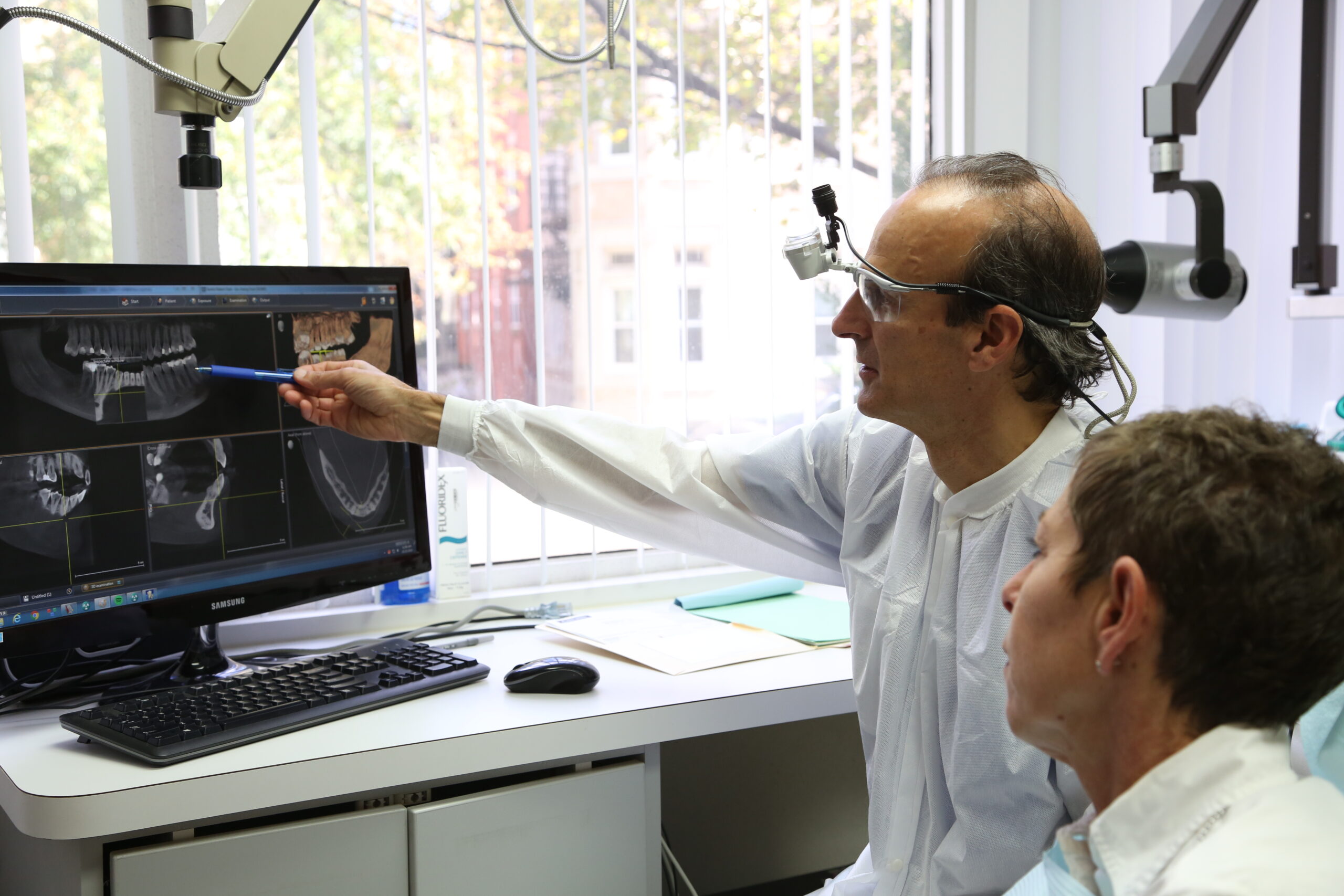
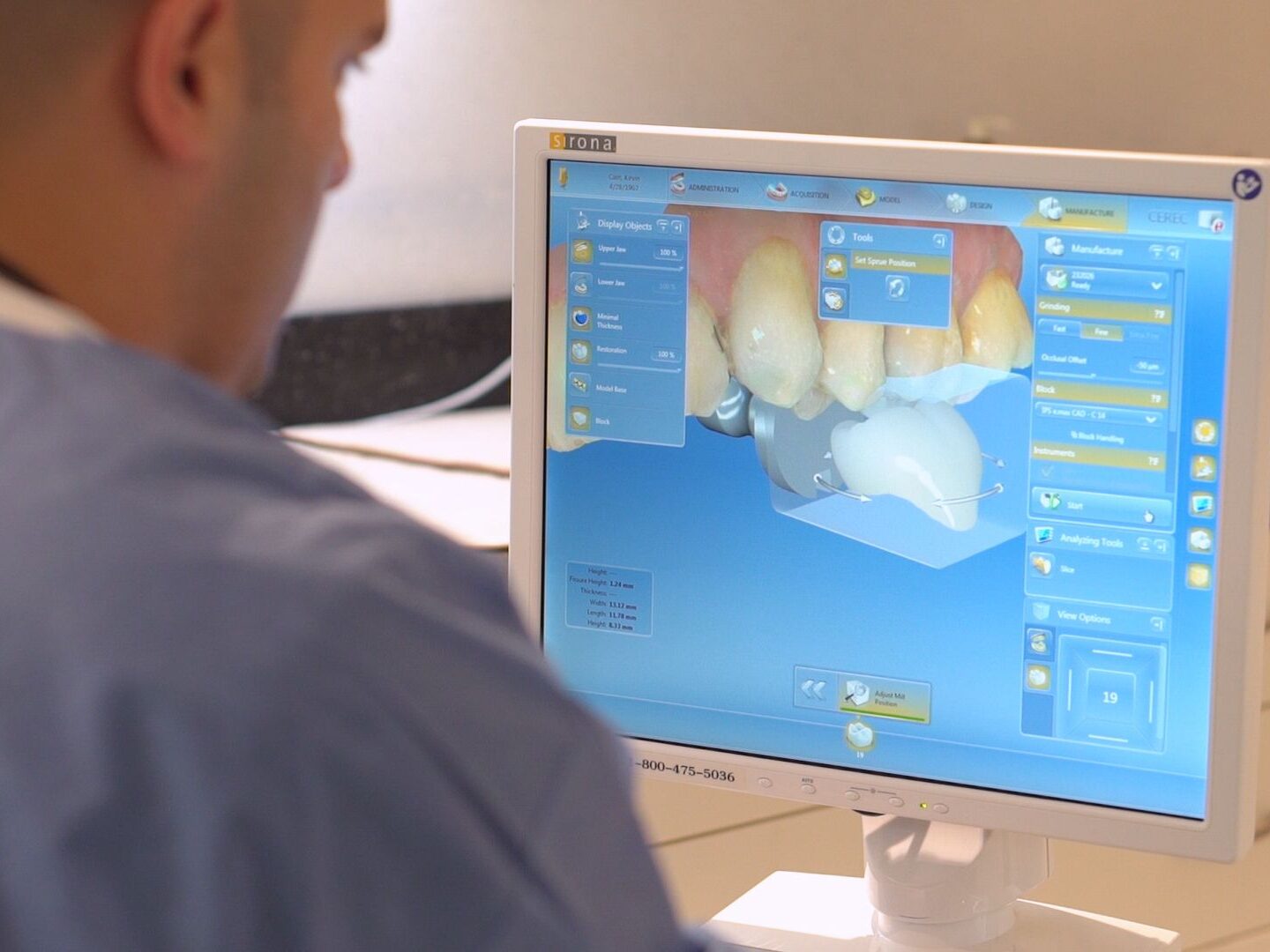
With specialists across multiple disciplines working together in one Brookline location, Longwood Dental Group offers a level of periodontal care that most practices just can’t match. Dr. Avi Shainhouse brings focused expertise in gum disease treatment and implant dentistry, collaborating directly with our general dentists and prosthodontists to ensure every patient receives seamless, comprehensive care. Our in-house dental laboratory and advanced technology, including CEREC and 3D CT scanning, allow us to diagnose and treat periodontal conditions with precision and efficiency.
If you have been told you need a deep cleaning or are experiencing symptoms of gum disease, we encourage you to contact our office to schedule a periodontal evaluation. With extended hours, including early morning and evening appointments, we make it easy to get the care you need on a schedule that is convenient for you.