

Your smile tells a story, and when your gums begin to recede, that story can take a very uncomfortable turn. Gum recession gradually exposes the roots of your teeth, leading to heightened sensitivity, an uneven gumline, and a greater risk of decay in areas that were never meant to be unprotected. Whether the cause is aggressive brushing, genetics, or the progression of periodontal disease, the result is the same: a condition that will not fix itself and will only worsen without professional intervention.
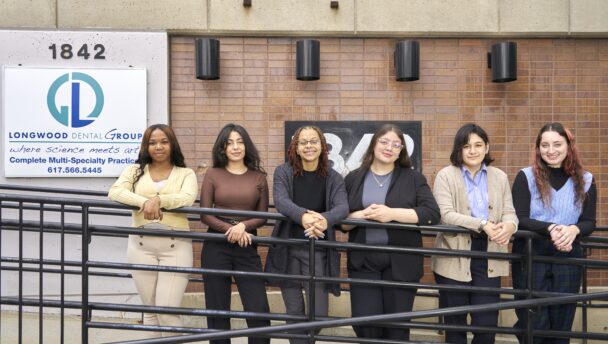
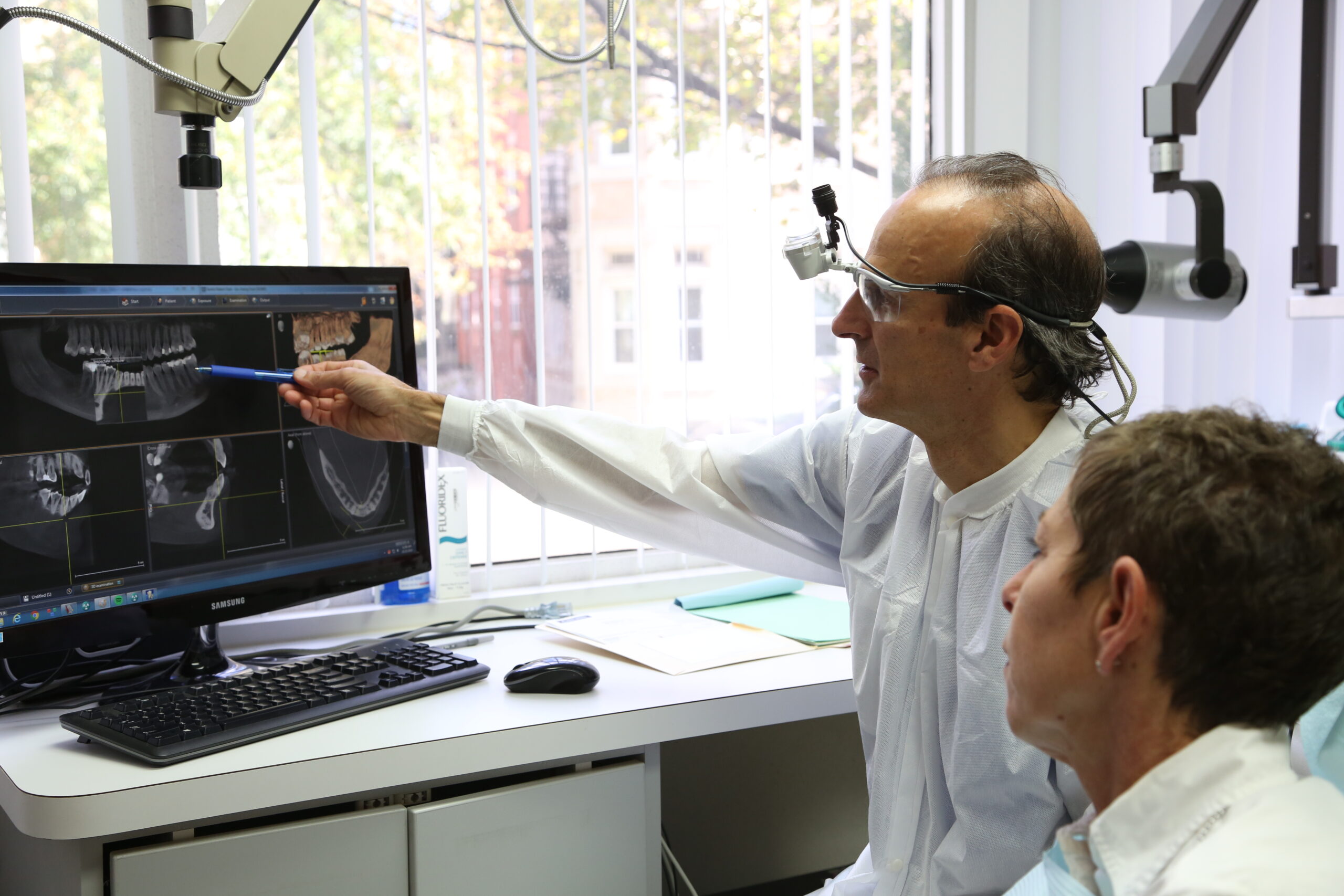
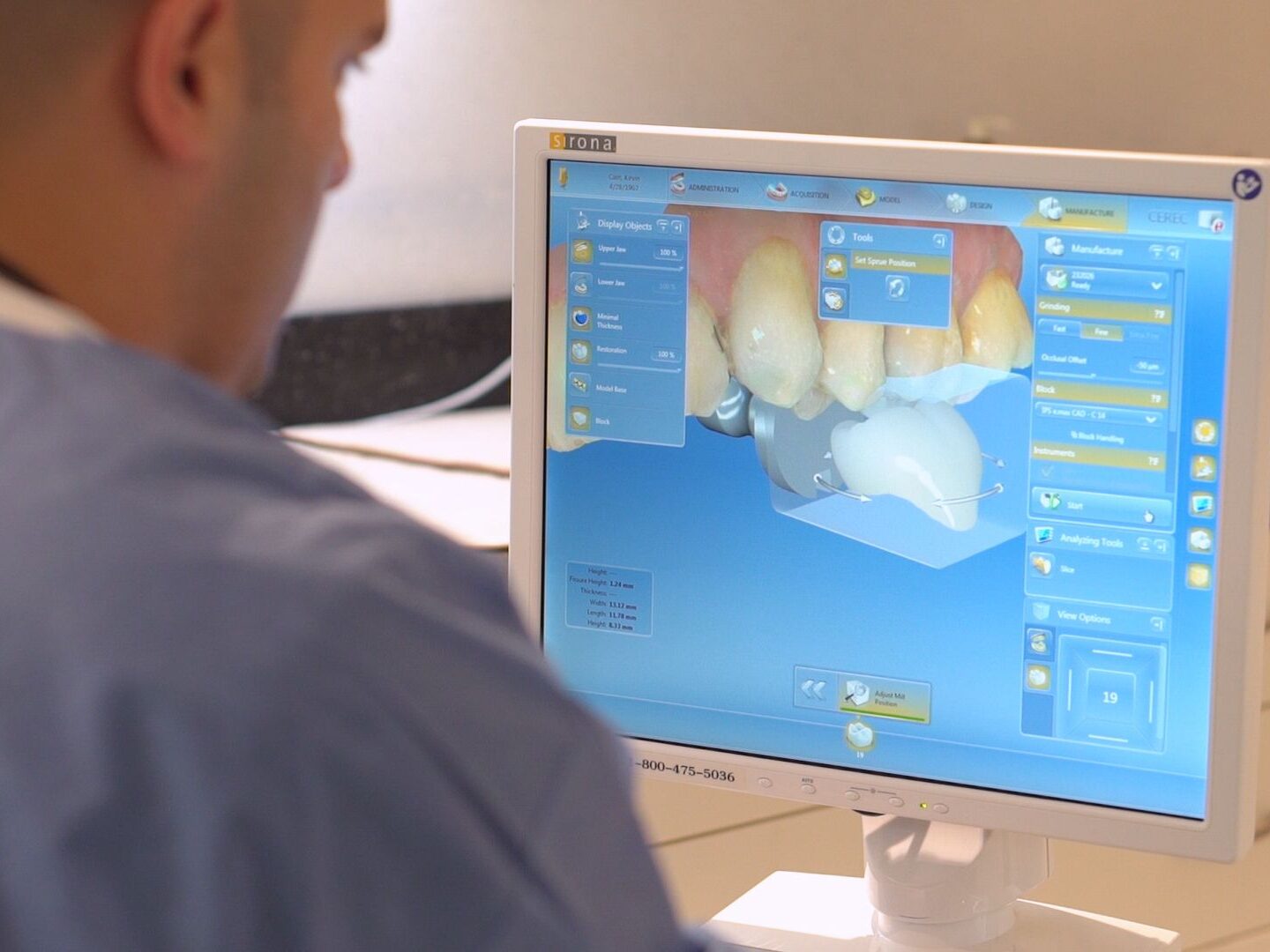
At Longwood Dental Group, we provide gum grafting as a proven, long-lasting solution for patients dealing with gum recession in Brookline, MA. Our practice has served the community for over 40 years, and we bring together a collaborative team of specialists, including periodontists and implant experts, who work under one roof to deliver comprehensive periodontal and specialty care. With an in-house dental laboratory and advanced technology like CEREC and 3D CT scanning, we are equipped to handle even the most complex cases with precision and efficiency.
What Gum Grafting Treats and Why It Matters
Gum grafting is a periodontal surgical procedure designed to restore gum tissue that has been lost due to recession. During the procedure, a periodontist places tissue over the exposed root surfaces of your teeth, rebuilding the protective barrier that healthy gums naturally provide. This added coverage reduces tooth sensitivity, shields vulnerable roots from decay, and prevents further recession from occurring.
The need for gum grafting is more common than many patients may think. According to the Centers for Disease Control and Prevention, nearly 42% of adults aged 30 and older in the United States have some form of periodontitis, and severe cases affect roughly 8% of that population. Periodontal disease is one of the primary drivers of gum recession, and when tissue loss becomes significant, grafting is often the most effective way to restore both function and appearance.
Types of Gum Grafts We Offer
Our periodontists evaluate each patient individually to determine the most appropriate grafting technique for their needs. Several options are available, and the right choice depends on the severity of recession, the thickness of surrounding tissue, and your overall oral health.
Connective Tissue Grafts
A connective tissue graft is the most commonly performed type of gum graft. During this procedure, a small flap is created in the palate, and a piece of connective tissue from beneath the surface is removed and sutured over the area of recession. The palate heals naturally, and the grafted tissue integrates with the existing gumline to provide lasting root coverage.
Pedicle Grafts
A pedicle graft uses tissue from the gum immediately next to the affected tooth rather than from the palate. The periodontist creates a flap of nearby tissue, rotates it over the recession site, and sutures it into place. This option works well for patients who have adequate gum tissue surrounding the area of recession and prefer a procedure that involves only one surgical site.
Free Gingival Grafts
A free gingival graft involves taking a small section of tissue directly from the surface of the palate and attaching it to the recession site. This technique is particularly useful for patients with naturally thin gums who need to build additional tissue volume to prevent future recession.
What to Expect During Recovery
Understanding the recovery process can help you feel confident and prepared before scheduling your procedure. Most patients can expect mild to moderate discomfort in the days following surgery, and the full healing timeline typically spans two to three weeks.
Here are some key aspects of the recovery period:
- Dietary adjustments: Soft, cool foods are recommended for the first week to avoid irritating the surgical site.
- Oral hygiene modifications: Your periodontist will provide specific instructions for gentle cleaning around the graft while it heals.
- Activity restrictions: Strenuous exercise and heavy lifting should be avoided for several days after the procedure.
- Follow-up appointments: We schedule post-operative visits to monitor healing and ensure the graft is integrating properly.
- Medication management: Over-the-counter pain relievers and prescribed antimicrobial rinses help manage discomfort and reduce the risk of infection.
Most patients return to their normal routines within a week, and the grafted tissue continues to strengthen and blend with the surrounding gumline over the following months. We provide detailed aftercare instructions and remain available to answer any questions that you may have throughout your recovery.
Why Gum Health Should Not Be Overlooked
Gum recession is a progressive condition, meaning it will continue to get worse if you don’t do something about it. As roots become more exposed, they become increasingly vulnerable to decay, sensitivity during eating and drinking intensifies, and the structural support around your teeth weakens. In advanced cases, untreated recession can contribute to tooth mobility and even tooth loss.
For those who are also considering restorative work like dental implants, healthy gum tissue is essential for successful outcomes. Addressing recession early through grafting protects your investment in both your natural teeth and any future dental work. Routine dental cleanings and exams also play a critical role in catching early signs of recession before they progress to the point of requiring surgery.
Choose Longwood Dental Group for Gum Grafting in Brookline
Our team includes Dr. Avi Shainhouse, who specializes in implant dentistry and gum disease treatment, along with a full roster of specialists who collaborate daily to ensure every patient receives thorough, personalized care. As a multi-time Best of Boston award winner, Longwood Dental Group has earned its reputation by prioritizing quality over shortcuts, choosing the best materials, and investing in technology that makes complex procedures more predictable and comfortable.
If you are experiencing gum recession or have been told you may need a gum graft, we encourage you to contact our office to schedule a consultation. We are conveniently located at 1842 Beacon Street in Brookline, with extended hours including early morning and evening appointments on select days, making it easier for you to get the care you need on a schedule that works for you.