

Your gums are bleeding when you brush, they look a little swollen, and something just feels off in general. If that sounds familiar, you may be experiencing the early signs of gum disease, and you are right to take notice. Fortunately, catching it early can make a significant difference in how your smile holds up for years to come.
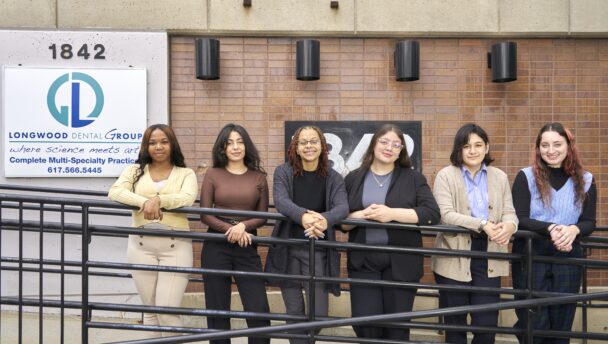
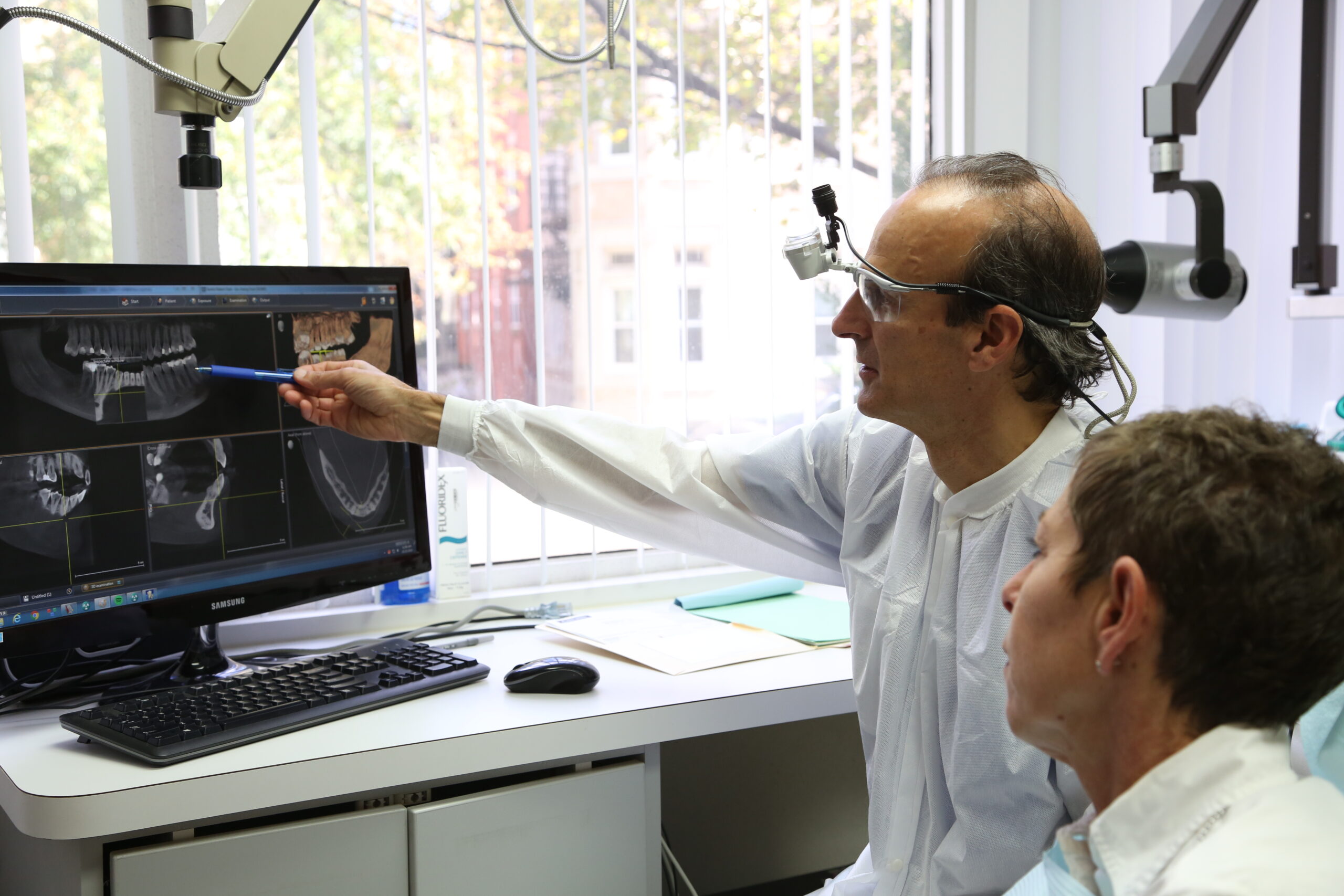
At Longwood Dental Group, our periodontist and team of clinicians work together under one roof to catch and address gum disease at every stage. With over 40 years of serving the Brookline community and a reputation that has earned us Best of Boston recognition from our peers, we are committed to providing comprehensive care that protects your oral health from the inside out.
What Is Gum Disease, Exactly?
Gum disease is an infection of the tissues that hold your teeth in place. It typically starts as gingivitis, the earliest and mildest stage, characterized by red, swollen, or bleeding gums. Left untreated, gingivitis can progress to periodontitis, a more advanced form of the disease that involves damage to the bone structure that supports your teeth.
According to the CDC, gingivitis is preventable and reversible with good oral hygiene and professional treatment, while periodontitis is a more serious type of gum disease that involves bone loss and requires professional management to slow its progression. Understanding which stage you are in is the first step toward getting the right care.
Can Gingivitis Be Reversed?
Yes — when gingivitis is caught early, it can be fully reversed with consistent home care and professional dental cleanings and exams. Here is what a reversal plan often looks like:
- Brushing thoroughly twice a day with a soft-bristle toothbrush
- Flossing daily to remove plaque from between the teeth and along the gumline
- Using an antimicrobial rinse as directed by your dentist
- Attending professional cleanings every six months, or more frequently if recommended
With diligence, many patients see their gums return to a healthy, pink appearance within a matter of weeks. The key is not to wait when you first notice bleeding or irritated gums.
What About Advanced Gum Disease?
Once gingivitis has progressed to periodontitis, the situation changes. At this stage, the infection has begun to damage the bone and connective tissue that anchor your teeth. While this level of gum disease cannot be reversed in the way that gingivitis can, it absolutely can be managed, stabilized, and treated effectively to protect your remaining teeth and prevent further deterioration.
Scaling and Root Planing
One of the most common treatments for periodontitis is scaling and root planing, a deep-cleaning procedure that removes bacteria and buildup from beneath the gumline. This gives the gum tissue a clean surface to reattach to and helps reduce the depth of the pockets that form between the gums and teeth.
Ongoing Periodontal Maintenance
After initial treatment, many patients move to a periodontal maintenance schedule, which involves more frequent cleanings to prevent the bacteria from rebuilding. Our specialty dentistry team coordinates your care directly with your general dentist so that nothing falls through the cracks. This collaborative approach is something that makes our Brookline dental practice unique.
Why Acting Sooner Matters
The connection between gum health and overall health is well-documented. Gum disease has been linked to heart disease, diabetes, and other systemic conditions. The sooner you address it, the less likely it is to contribute to larger health concerns down the road. Maintaining regular dental visits is one of the simplest and most effective things you can do for both your mouth and your whole body.
Longwood Dental Group Is Here for Your Gum Health
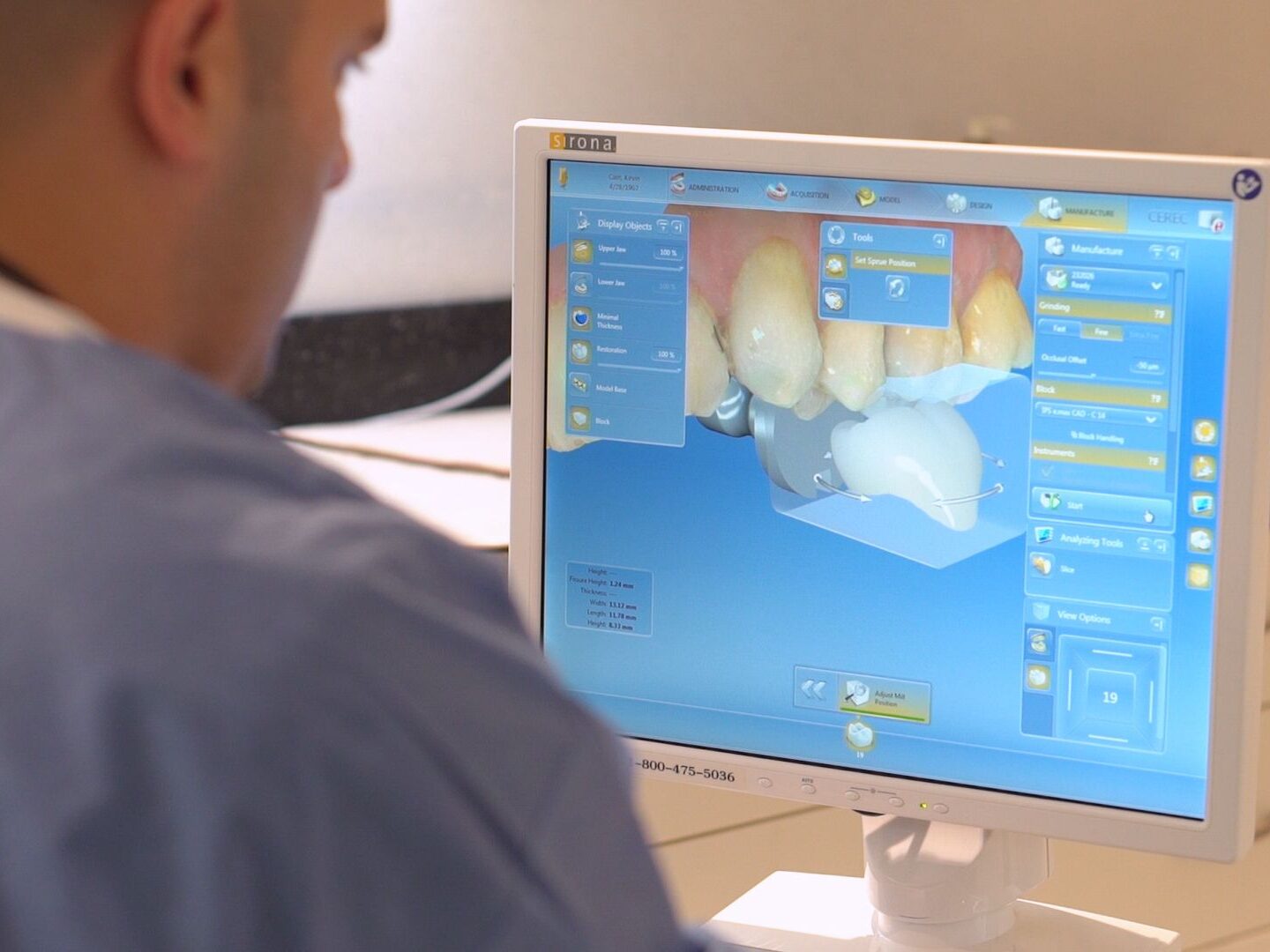
At Longwood Dental Group, our patients do not get shuffled between offices or handed off to strangers. Our periodontist, general dentists, and specialists work together personally, coordinating care in a way that only a comprehensive group practice can offer. We also have an in-house dental laboratory and CEREC technology, so when your care calls for restorative work, it happens right here. We treat some of the most complex cases that other practices routinely refer out because this is what we do every day.
If you are concerned about the health of your gums, do not wait. Contact our office to schedule a periodontal evaluation and let us help you get ahead of it before it becomes a bigger problem.