


Few words in dentistry spark more dread than “root canal.” The moment a dentist mentions it, many patients picture pain, lengthy procedures, and days of recovery — a reputation that has been passed down through generations and amplified by online myths. The truth is that what most people fear about root canals has little to do with the actual procedure and everything to do with outdated information.
At Longwood Dental Group, our team includes Dr. Zachary Kano, a specialist dedicated exclusively to root canal therapy, working alongside a collaborative group of ten doctors who handle even the most complex cases. Root canal treatment is one of the most misunderstood procedures in dentistry, and patients who come in with anxiety almost always leave relieved that it was far less involved than they expected.
What Actually Happens During a Root Canal
The word “canal” makes many people imagine something invasive or complex, but the mechanics of the procedure are more straightforward than the reputation suggests. A root canal is performed when the soft tissue inside a tooth — known as the pulp — becomes infected or inflamed. Left untreated, that infection can spread, cause serious pain, or lead to tooth loss.
During root canal treatment, the infected pulp is carefully removed, the inside of the tooth is cleaned and shaped, and the space is filled with a biocompatible material called gutta-percha to seal it. The procedure is typically completed in one to two appointments, and a dental crown is usually placed afterward to restore the tooth’s strength and appearance.
The Pain Is Already There Before Treatment
One of the most persistent myths about root canals is that the procedure causes pain. In reality, the pain patients associate with root canals is the pain from the infection itself — not what happens in the dental chair. According to the American Association of Endodontists, patients who undergo root canal treatment are six times more likely to describe the procedure as painless than those who undergo a tooth extraction. The root canal is what ends the pain, not what creates it.
Modern local anesthesia is highly effective at numbing the tooth and surrounding tissue before treatment begins. Most patients report feeling pressure during the procedure rather than pain, and the entire experience is far more manageable than the reputation implies.
Modern Dentistry Has Changed Everything
Dentistry has advanced significantly over the past few decades, and root canal treatment is one of the procedures that has benefited most. Digital imaging, refined anesthetic techniques, and specialized endodontic instruments have made the procedure faster, more precise, and far more comfortable than what patients may have heard from their parents or read about online.
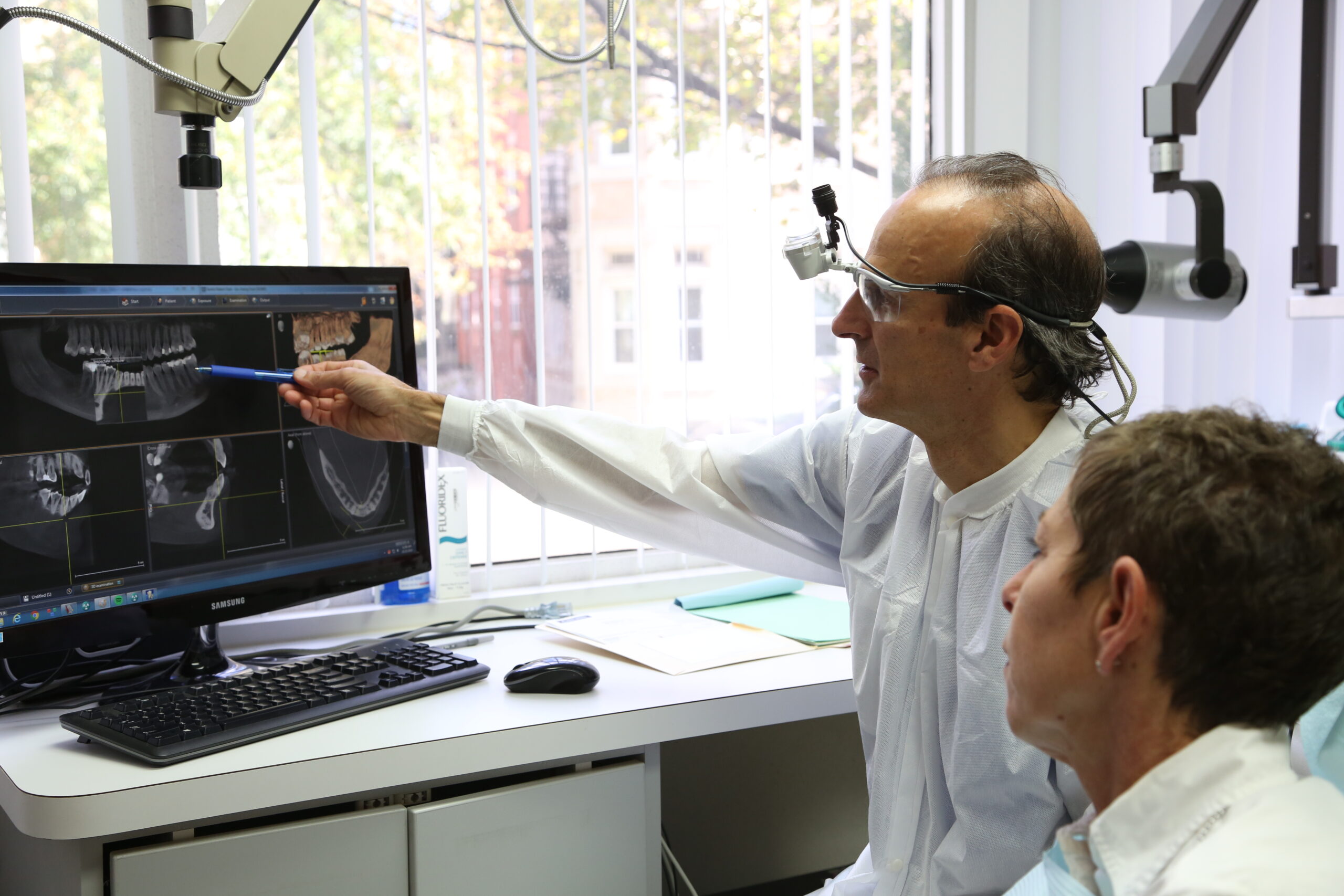
Rotary endodontic tools — flexible, motorized instruments — allow for more consistent cleaning of the root canal system with less vibration and noise than older hand filing methods. Cone beam computed tomography (CBCT) imaging can map the root structure in three dimensions before treatment begins, reducing surprises and improving accuracy during the procedure.
Why Saving Your Natural Tooth Matters
Some patients wonder whether it might be easier to simply have the tooth pulled. While extraction is sometimes the right call, preserving a natural tooth is almost always the preferred outcome when it is possible. Natural teeth provide better chewing function, help maintain jawbone density, and eliminate the cost and recovery associated with replacements like bridges or implants.
A dental crown placed after a root canal restores the tooth to full strength and allows it to function normally for many years — often for the lifetime of the patient. Losing a tooth triggers a chain reaction: adjacent teeth shift toward the gap, the jawbone beneath begins to resorb, and bite alignment can be affected. A root canal that saves the tooth prevents all of those downstream complications.
Signs You May Need a Root Canal
Not every toothache requires a root canal, but there are specific signs that suggest the pulp of a tooth has become infected or damaged. Staying aware of these signals and seeking care early can make the difference between a straightforward root canal and a more complicated outcome. Some common indicators include:
- Persistent tooth pain: Discomfort that lingers or throbs, especially without an obvious cause
- Sensitivity to temperature: Pain that remains after hot or cold foods and drinks are gone
- Darkening of the tooth: A tooth that appears gray or brown may signal internal damage
- Swollen or tender gums: Swelling or a small bump near the affected tooth is worth having evaluated
- Pain with pressure: Discomfort when chewing or touching the tooth
These symptoms don’t always mean a root canal is necessary, but they are clear signals that a professional evaluation is needed. Waiting too long to address them can turn a manageable issue into a dental emergency. If you’re experiencing any of these signs, our general dentistry team can assess the tooth and determine the best course of action.
What to Expect After a Root Canal
Recovery from a root canal is typically mild and resolves within a few days. Most patients return to normal activities the same day or the following morning. Understanding what to expect helps reduce anxiety and supports a smooth healing process.
It is normal to experience some tenderness or mild soreness in the treated area for two to three days after the procedure. This sensitivity is a natural response to the treatment and is usually manageable with over-the-counter pain relievers. The gum tissue around the tooth may feel slightly tender as well, particularly if the infection had caused any swelling before treatment.
Aftercare Tips for a Smooth Recovery
- Avoid hard or crunchy foods on the treated side until a permanent crown is placed, since an unrestored tooth is more vulnerable to fracture
- Continue brushing and flossing as normal — the treated tooth can be cleaned like any other
- Attend your crown appointment as scheduled; the temporary filling placed after the root canal is not meant to be a long-term solution
- Contact our office if pain worsens significantly after the first few days, if swelling increases, or if your bite feels uneven — these are signs that a follow-up is warranted
Most treated teeth that are properly restored with a crown go on to function without issue for decades. Root canal success rates are consistently high, and the procedure has a strong track record as a reliable, long-term solution for infected or damaged teeth.
How to Prepare for Your Root Canal Appointment
Preparation is simple. Patients are generally advised to eat a normal meal before the appointment, since the anesthetic can make chewing uncomfortable for a few hours afterward. Arranging transportation is a good idea if you anticipate feeling groggy, although most patients drive themselves home without difficulty.
Informing the dental team about any medications you take — including blood thinners or anti-anxiety prescriptions — ensures the appointment can be tailored appropriately. Patients who experience significant dental anxiety are encouraged to ask about comfort options in advance, including nitrous oxide sedation, which is available at Longwood Dental Group.
Choose Longwood Dental Group for Root Canal Treatment in Brookline
Longwood Dental Group has been serving patients across Brookline and greater Boston for decades, and our approach to root canal care reflects the same commitment to precision and patient experience that has defined our practice through generations of families. With specialists like Dr. Zachary Kano, whose focus is exclusively on root canal therapy, alongside a team of ten doctors who collaborate on even the most complex cases, we offer a level of endodontic expertise that is rarely found in a single practice.
If you have been told you need a root canal, or if you are experiencing symptoms that concern you, we encourage you to schedule a consultation. Our team will walk you through every step of the process, answer your questions honestly, and make sure you feel informed and at ease before treatment begins. Root canals today are not what they used to be — and most of our patients are genuinely surprised by how manageable the experience turns out to be.