


Most dental practices will tell you they place implants. Far fewer can tell you they handle the cases other practices send away. Dental implants can be a straightforward procedure, but they can also involve complex anatomy, bone loss, or multiple specialists working in coordination. Where you choose to have that work done matters more than most patients realize.
At Longwood Dental Group in Brookline, cases that would be referred out elsewhere are handled here every day. With a team of 10 doctors, each bringing something distinct to the table, and a culture built on collaboration, we take on a level of complexity that most practices simply cannot. That’s not a boast; it’s the result of over 40 years of building one of the area’s most accomplished multi-specialty teams, including clinicians who teach at Harvard. If you’re considering dental implants and want to know exactly what to expect from start to finish, here’s a clear picture of the full process.
The Initial Consultation and Treatment Planning
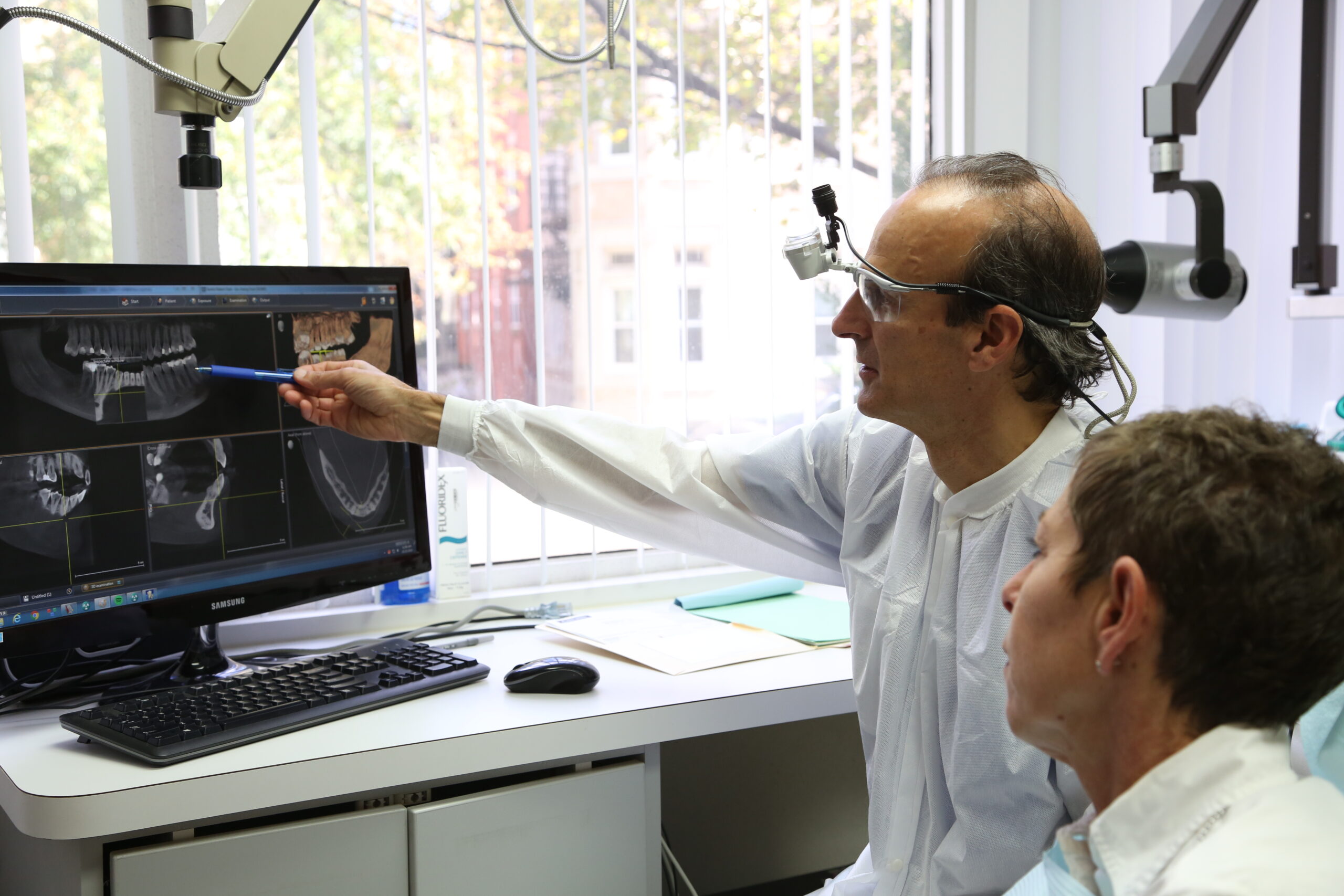
The first step is a thorough evaluation. During your consultation, your dentist will examine your teeth, gums, and jawbone, and take digital X-rays or a 3D cone beam scan to assess whether you have enough bone density to support an implant. This appointment is also the time to discuss your medical history, ask questions, and understand your full dental implant cost and timeline before any decisions are made.
Some patients need a bone graft before implant placement if the jawbone has experienced resorption after tooth loss. Others are candidates for immediate placement. Your care plan will be tailored entirely to your anatomy and goals, not a one-size-fits-all protocol.
Implant Placement
Once treatment is planned, the implant placement itself is a relatively straightforward surgical procedure. A small titanium post is placed directly into the jawbone where the missing tooth once was. This is done under local anesthesia, and most patients are surprised by how manageable the experience is. Mild soreness in the days following is normal and typically resolves quickly.
After placement, a process called osseointegration begins. This is when the titanium post gradually fuses with the surrounding bone over a period of several months, forming a stable, permanent foundation. Research published in a 20-year meta-analysis through the National Institutes of Health found dental implant survival rates exceeding 90% over a decade, underscoring just how reliable this solution is for long-term tooth replacement.
What Happens Between Placement and the Final Crown
The healing phase is often when patients have the most questions. During osseointegration, you’ll have periodic check-ins so your team can monitor your progress. Most patients go about their normal routines during this time, and the process is far more manageable than most expect going in.
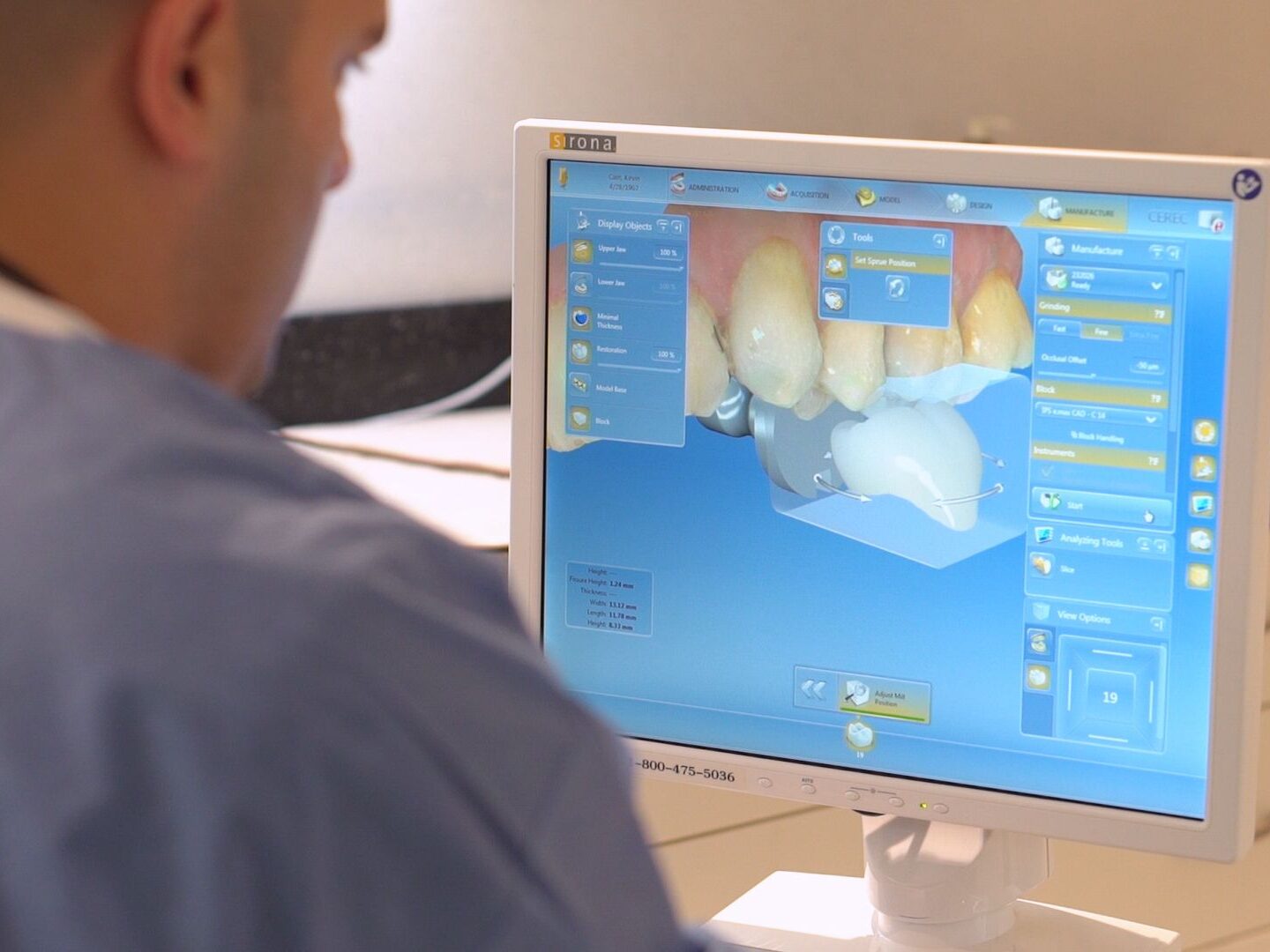
Once the implant has fully integrated with the bone, a small connector piece called an abutment is attached to the post. From there, impressions are taken to fabricate your final restoration. At Longwood Dental Group, we have an in-house dental laboratory and CEREC technology, which means your crown is designed, refined, and produced with a level of precision that outside labs can’t replicate. Every material decision is made by your doctor, not dictated by a corporate protocol, because our dentists have always had the freedom to choose what’s best for each patient. The result is a restoration crafted to fit your bite, match your surrounding teeth, and hold up for the long term.
Who Is a Good Candidate for Dental Implants?
Most adults in good general health are candidates for implants, but certain factors can influence eligibility. Here are some of the key considerations your dentist will evaluate:
- Bone volume: Adequate jawbone density is needed to anchor the implant. Bone grafting can address deficiencies when necessary.
- Gum health: Active gum disease must be treated before implant placement to reduce the risk of complications.
- Smoking: Smoking can slow healing and reduce implant success rates, and your dentist will discuss this with you honestly.
- Systemic health: Conditions like uncontrolled diabetes may require additional evaluation before proceeding.
A thorough consultation is the only way to know for certain, and it gives your dentist the full picture needed to recommend the right path forward for you.
Choose Longwood Dental Group for Your Dental Implant Care
Dental implants are one of the most meaningful investments you can make in your health, your confidence, and your quality of life. What sets Longwood Dental Group apart is the ability to manage every stage of your implant journey under one roof, with specialists who know your name and a team that treats some of the most complex cases other practices routinely refer out. You won’t be handed off to an unfamiliar surgeon or navigated through a separate office. Your entire experience happens here, with providers you already trust. Learn more about our dentists and the breadth of experience behind your care.
We’ve been proud to earn Best of Boston recognition from our peers year after year, and that reputation is built one patient at a time. Whether you’re replacing a single tooth or beginning a more involved restoration, we’re here to walk you through every step with honesty and care. Contact our office to schedule your implant consultation today.