

Your tooth has been sending signals for weeks, maybe months, and you have been telling yourself it is probably nothing. A dull ache when you bite down, a lingering sensitivity after your morning coffee, a small crack you spotted in the mirror but decided to ignore. These are not random annoyances. They are your tooth’s way of asking for help before a much bigger problem sets in.
At Longwood Dental Group, we help patients in Brookline and the surrounding communities understand exactly what their teeth are trying to tell them. Our team has been delivering full-service dental care for over 25 years, and we believe the best outcomes always begin with the right information. If you have been wondering whether you need a dental crown, this guide will help you recognize the signs and know when to take the next step.
Signs Your Tooth May Need a Crown
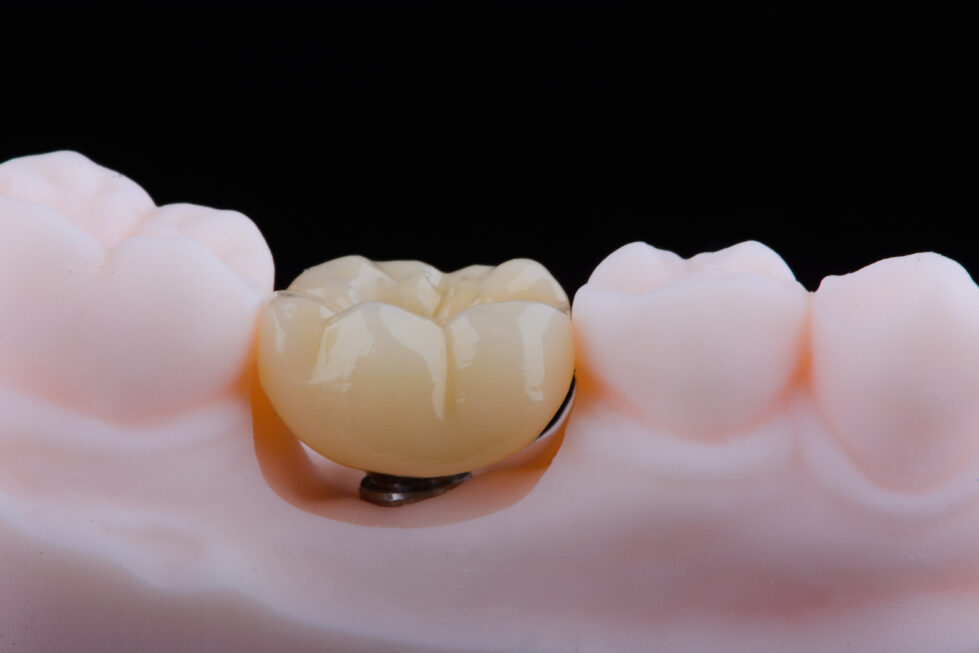
Not every ache or chip points to a crown, but certain symptoms deserve a closer look. According to the American Dental Association, crowns are commonly recommended to protect a weak tooth from breaking, restore a tooth that has already broken, and cover teeth with large fillings when there is not enough remaining structure to hold them. Here are the most common indicators that a crown may be in your future:
- Visible cracks or chips: A cracked tooth can worsen quickly under the pressure of everyday chewing, and what starts as a hairline fracture can become a serious split if left unaddressed
- Severe decay: When a cavity is too large for a dental filling to handle on its own, a crown provides the full coverage needed to restore the tooth’s strength and function
- Pain or sensitivity when chewing: Sharp or inconsistent pain when you bite down often signals structural damage that needs more than a minor repair
- A tooth that has had a root canal: After a root canal, the treated tooth becomes more brittle and prone to fracturing, making a crown a critical final step in protecting it
- An old or failing filling: A filling that has cracked, shifted, or repeatedly broken down may indicate the tooth needs the more comprehensive coverage that only a crown can provide
These symptoms do not always mean a crown is the only option, but they are a strong signal that an evaluation is overdue. Catching a problem early gives you more choices and typically leads to a simpler, more comfortable treatment experience.
What Happens During the Crown Process
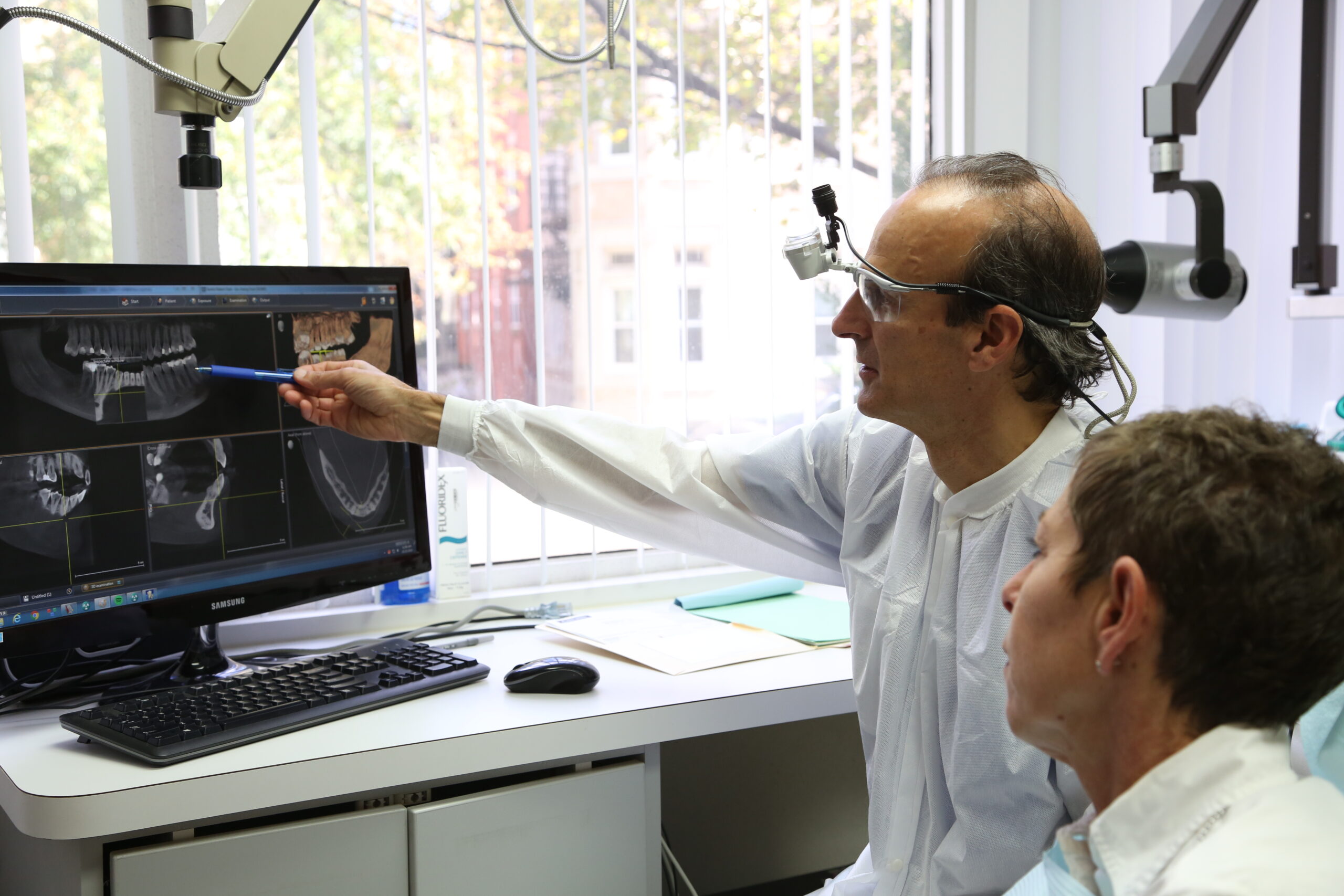
For many patients, the idea of getting a crown carries more anxiety than it should. The process is straightforward, and our team works to make every step as comfortable as possible. During your first visit, we prepare the tooth by removing any decay or damage and reshaping it so the crown fits properly. From there, a digital scan or impression is taken to ensure the crown matches your bite and blends naturally with your surrounding teeth.
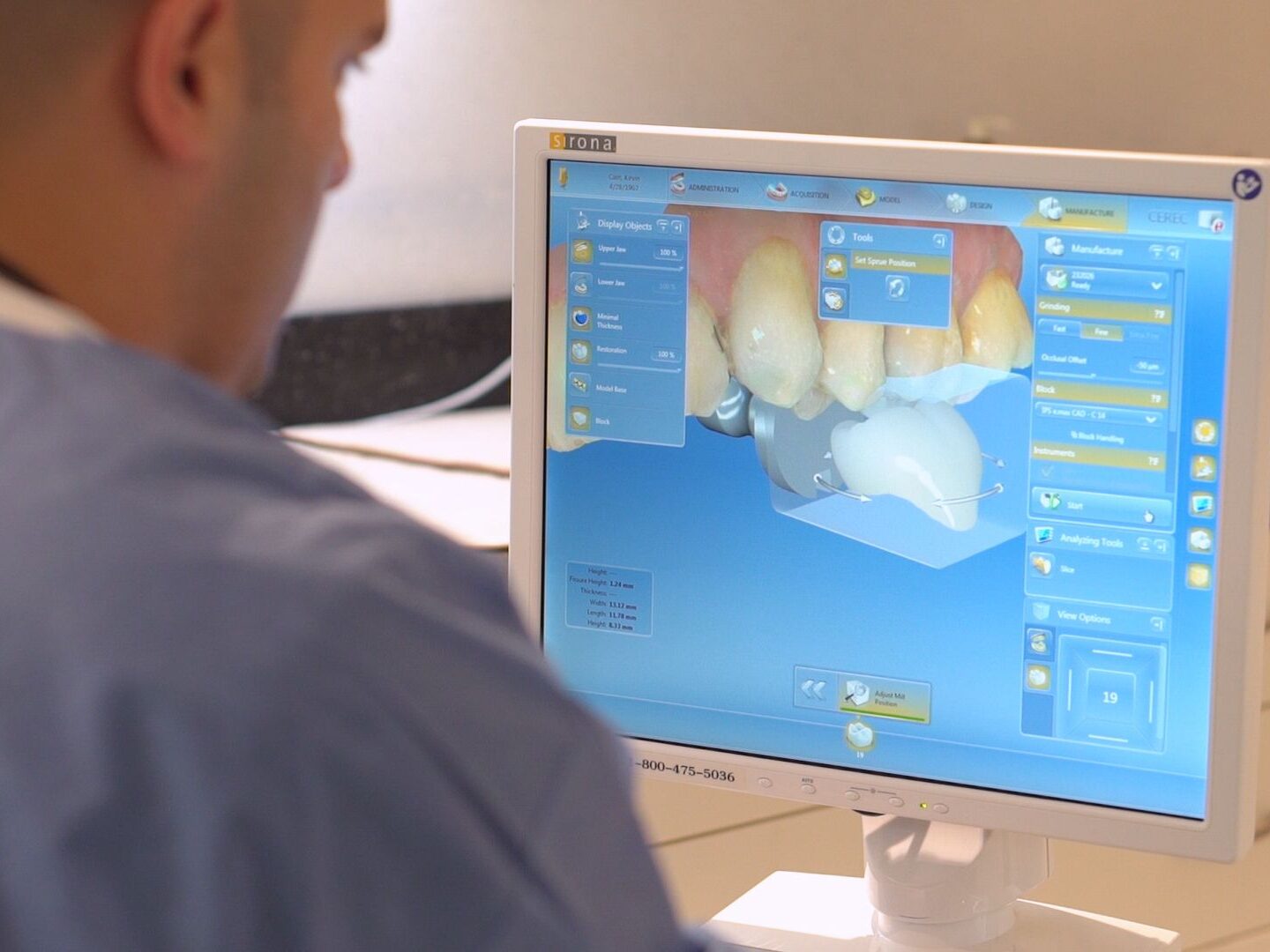
At Longwood Dental Group, we use CEREC technology and our in-house dental laboratory, which means many patients can have their crown designed, milled, and placed in a single appointment. This is a meaningful advantage over practices that rely on outside labs and require multiple visits spread over weeks. Whether you need a same-day restoration or a lab-fabricated crown, our doctors will walk you through every detail so you always know what to expect.
Why Acting Sooner Makes a Difference
Waiting to address a weakened tooth rarely works in your favor. A tooth that could have been saved with a crown can quickly become a tooth that requires extraction if the damage progresses too far. Cracks deepen, decay spreads, and discomfort that was once occasional can become constant. Regular dental cleanings and exams are one of the best ways to catch these issues before they escalate, because our team can often identify a tooth at risk well before you notice any symptoms.
In some cases, a dental inlay or onlay may offer a more conservative alternative to a full crown, depending on the extent of the damage. Our doctors always take the time to evaluate all available options before recommending treatment, because we believe in finding the right fit for each patient rather than defaulting to the fastest fix. This approach is central to how we think about general dentistry: consistent, attentive care over time leads to fewer emergencies and better long-term results for everyone who sits in our chair.
Schedule Your Visit With Longwood Dental Group
At Longwood Dental Group, we have been caring for patients in the Brookline area and beyond for over 25 years, earning Best of Boston recognition from our peers multiple years in a row. Our experienced team of doctors includes clinicians who teach at Harvard, and we routinely handle complex cases that many other practices refer out. From routine checkups to full restorations, everything happens under one roof, with providers who know your name and are invested in your long-term health.
If you are experiencing any of the symptoms described above, or simply want to know where your teeth stand, we encourage you to contact our office and schedule an evaluation. Our team is here to listen, answer your questions, and make sure you feel confident about every step of your care.