

If you ignore a cavity, the decay can continue moving deeper into the tooth and cause more damage over time. What might have required a filling early on could eventually need a crown, root canal, or, in more advanced cases, extraction. The tricky part is that a cavity does not always hurt while that damage is happening. You might notice sensitivity when you drink something cold, see a dark spot on a tooth, or have no symptoms at all until the decay has progressed further.
At Longwood Dental Group, general dentistry includes looking for signs of decay before a tooth becomes painful or more difficult to restore. Regular exams can identify cavities you may not be able to see or feel yourself, while new pain or sensitivity gives us a reason to take a closer look between routine visits. Finding decay earlier can mean preserving more of the natural tooth and reducing the amount of treatment needed.
How a Small Cavity Turns Into a Bigger Problem
Tooth decay works in stages. Bacteria in your mouth feed on sugar and starch, producing acid that wears away the outer enamel of a tooth. Once the acid breaks through the enamel, it reaches the softer dentin layer, and decay spreads faster from there. According to the Centers for Disease Control and Prevention, 1 in 5 adults ages 20 to 64 have at least one untreated cavity, and waiting to treat decay narrows the options a dentist has to fix it.
If decay reaches the nerve inside your tooth, it can lead to an infection, or abscess, that causes swelling and severe pain. In rare cases, that infection can spread beyond the tooth and become a serious health concern. A cavity that starts as a small spot on your tooth can end in the loss of the tooth itself, along with the extra cost and time required to replace it with a dental implant.
Your Treatment Options at Every Stage
Catching tooth decay early can make a difference in how much treatment the tooth needs. Very early decay may sometimes be managed before a cavity forms, while decay that has created a hole in the tooth can often be treated with a dental filling. The damaged portion of the tooth is removed, and the filling restores the area so you can continue biting and chewing normally.
If decay has weakened the tooth too much for a filling to provide adequate support, a dental crown may be recommended to cover and protect what remains. Decay that reaches the pulp inside the tooth may require a root canal to remove the infected tissue and preserve the natural tooth. The sooner decay is found, the better the chance of treating it before more extensive dental work becomes necessary.
Signs of a Cavity That You Should Not Ignore
Cavities are not always obvious, but your mouth often gives you clues before the pain gets severe. Left untreated, decay can also spread to the surrounding tissue and contribute to gum disease, which is one more reason to address a cavity before it worsens. Watch for these signs, and call us if you notice any of them:
- Sensitivity: A twinge when you eat or drink something hot, cold, or sweet.
- Visible spots: Dark or white spots forming on the surface of a tooth.
- Persistent ache: Pain that lingers after eating or comes on without warning.
- Swelling: Puffiness along the gum line near a specific tooth.
- Bad breath: A lingering odor that does not go away with brushing.
Any one of these signs is worth a call to our office, especially if it does not improve within a day or two. Catching a cavity while it is still small usually means a faster, more comfortable visit and helps you avoid the extra time and cost of treating a larger problem later.
Let Longwood Dental Group Treat Your Cavity Before It Spreads
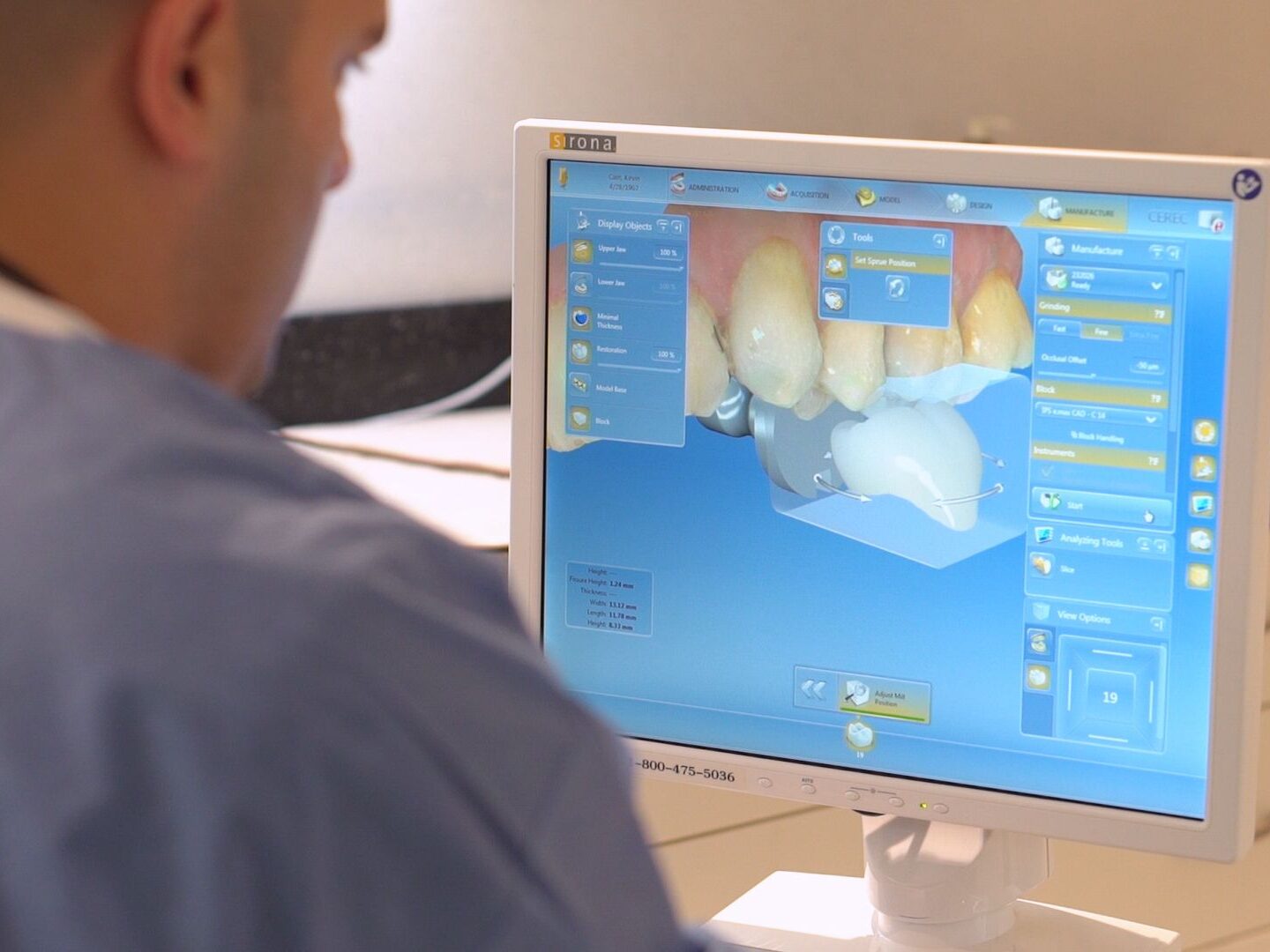
The treatment a cavity needs depends on how far the decay has progressed. At Longwood Dental Group, general dentists and specialists in areas such as endodontics and prosthodontics work together so we can address more involved decay without automatically sending you elsewhere for care. If a tooth needs a crown, our in-house dental laboratory and CEREC technology may also allow us to complete more of the restorative process within our practice.
If you have noticed new sensitivity, a dark spot on a tooth, or it has simply been a while since your last dental exam, having it checked can help you find decay before more of the tooth is affected. Contact us to schedule an appointment and find out what treatment, if any, your tooth needs.