

Losing a tooth definitely changes your smile, though it also brings other impacts. It can make chewing uncomfortable, affect how you speak, and gradually shift your remaining teeth into positions that create new problems. For many people, the discomfort is not just physical. There is also the self-consciousness of a visible gap and the uncertainty of not knowing which replacement option will actually hold up over time. If you have been researching solutions, you have likely come across two of the most common: dental implants and dentures. Both restore function and appearance, but they work in very different ways, and the right choice depends on your health, your goals, and the kind of long-term result you want.
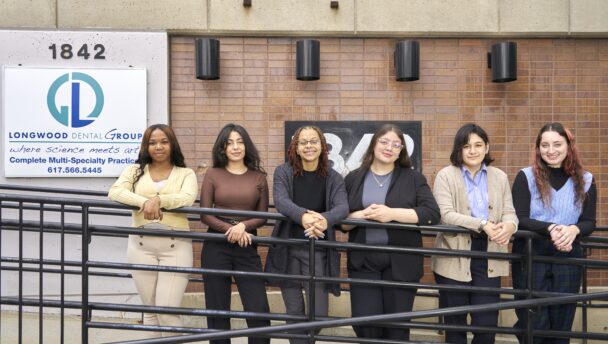
At Longwood Dental Group, we see patients at every stage of this decision. Since our Brookline practice brings together prosthodontists, periodontists, and implant dentists under one roof, we evaluate each patient’s bone density, gum health, and overall needs before recommending a path forward. Our dental implants page provides a closer look at what the process involves from consultation through final restoration.
How Dental Implants and Dentures Compare
Dental implants are titanium posts placed surgically into the jawbone. Over several months, the post fuses with the surrounding bone in a process called osseointegration, creating a stable foundation for a crown, bridge, or full-arch restoration. A 2024 review published by the National Institutes of Health found that implant-supported prostheses provide improved stability and function compared to traditional removable options.
Dentures are removable prosthetics that rest on top of the gums. Full dentures replace an entire arch of teeth, while partial dentures fill in gaps when some natural teeth remain. Modern dentures look far more natural than they did a generation ago, and they remain a practical choice for patients who need a quicker or more affordable restoration.
The biggest functional difference comes down to what happens beneath the surface. Implants stimulate the jawbone the same way natural tooth roots do, helping preserve bone density over time. Dentures sit on top of the gum tissue without providing that stimulation, so some patients experience gradual bone loss in the years that follow.
Key Factors to Consider When Choosing
The best option varies from person to person, but a few key areas tend to guide the decision.
Lifestyle and Daily Comfort
Implants function much like natural teeth. You brush and floss them the same way, and there is no adhesive or nightly removal involved. Dentures require a daily cleaning routine that includes soaking overnight, and some patients find the adjustment period for speaking and eating takes several weeks.
Health and Candidacy
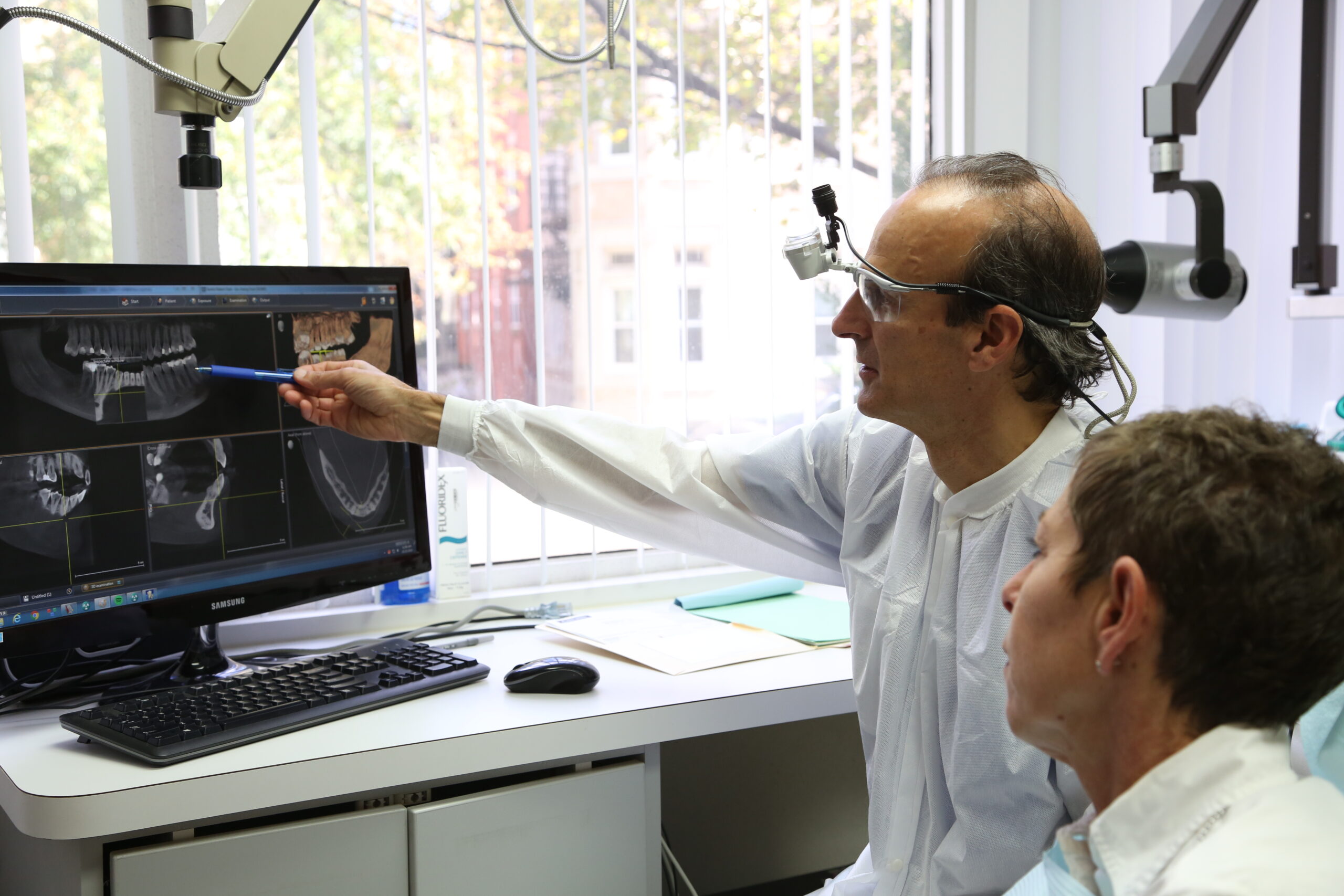
Not every patient is an immediate candidate for implants. Adequate jawbone density is required to support the titanium post, and certain health conditions may affect healing. Our team uses 3D CT scanning and detailed imaging to evaluate bone structure before making a recommendation. In cases where bone has already been lost, denture implants may offer a middle ground by anchoring a removable denture to a small number of posts for added stability.
Cost and Long-Term Value
When comparing the financial side of each option, a few variables matter most:
- Dentures typically have a lower upfront cost, but they may need to be relined or replaced every 5 to 10 years as the jawbone and gum tissue change shape.
- Implants carry a higher initial investment, yet they are designed to last decades with proper maintenance, which may reduce the total cost of care over a lifetime.
- Hybrid options like implant-supported dentures fall between the two and may be partially covered by dental insurance depending on your plan.
We break down what affects dental implant pricing in more detail to help you plan your restored smile with confidence.
Why Your Dental Team Matters
Tooth replacement is rarely a single-step procedure. Implant placement may involve a periodontist to evaluate gum health, a prosthodontist to design the restoration, and a general dentist for ongoing care. When those providers work in separate offices, coordinating treatment adds time, complexity, and sometimes conflicting recommendations.
A multi-specialty practice changes that dynamic entirely. When your periodontist, prosthodontist, and restorative dentist share the same building, they collaborate directly on your treatment plan rather than exchanging notes from a distance. There is no referral paperwork, no retelling your medical history at a new office, and no gaps between the surgical and restorative phases of care. The result is a smoother, more efficient experience from your first consultation through final placement.
Replacing Missing Teeth at Longwood Dental Group
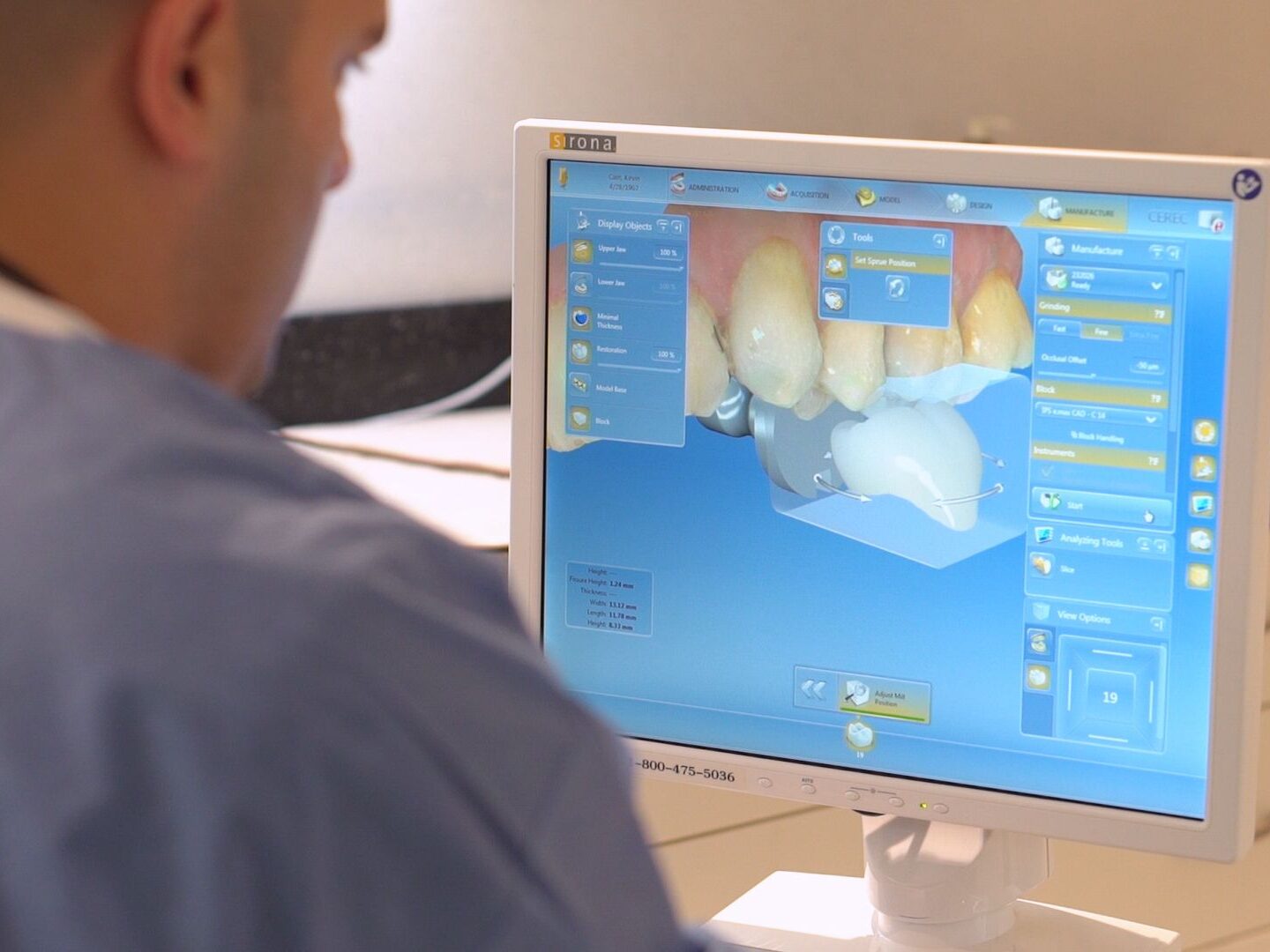
For over 40 years, Longwood Dental Group has been the kind of practice where complex restorative cases are handled in-house rather than referred out. Our prosthodontists and implant dentists, including clinicians who teach at Harvard, work alongside an in-house dental laboratory and CEREC technology to plan and complete every phase of tooth replacement without sending patients to outside offices. Whether you need a single implant, a full set of dentures, or a hybrid solution, care stays coordinated under one roof at our Brookline office.
If you are ready to find out which option best fits your needs, we would be happy to walk you through the details during a consultation. Schedule an appointment today and let us help you get a restoration you can feel confident about.