

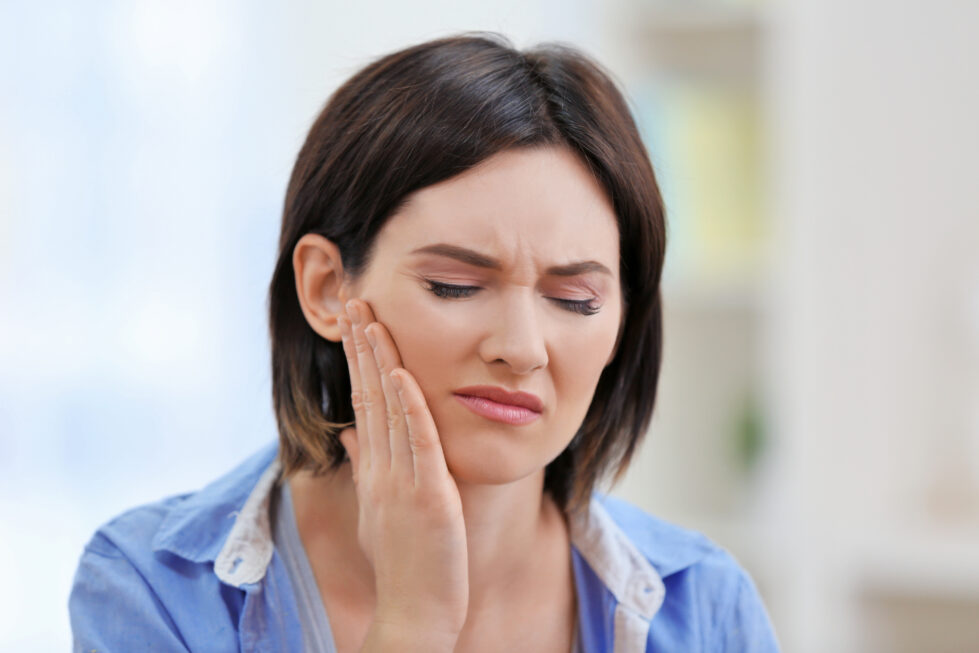
A dull ache in your jaw can make everyday movements like chewing, yawning, or talking uncomfortable. Sometimes that pain involves the temporomandibular joints, or TMJs, which connect your lower jaw to your skull on each side of your face. Problems affecting these joints and the surrounding muscles are known as temporomandibular disorders, or TMD, and symptoms can range from occasional soreness or clicking to more persistent pain and difficulty moving the jaw.
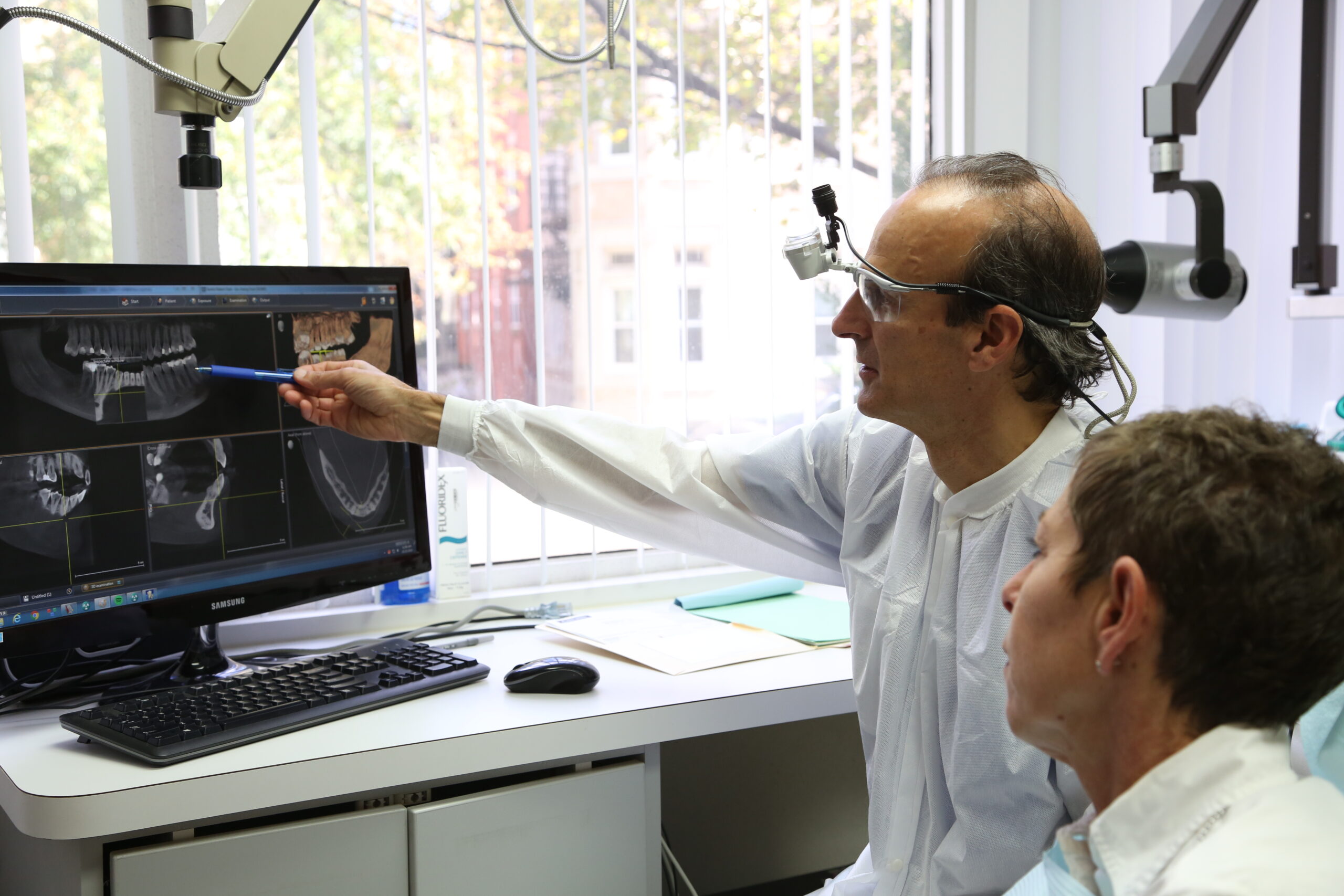
At Longwood Dental Group, TMJ treatment begins with an evaluation of the factors that may be contributing to your symptoms, and Dr. Alberto Malacarne, who focuses on TMJ and pain management, is part of our team. Jaw pain can have various causes, so we look at how your jaw moves, where you experience discomfort, and other factors that may be stressing the joint. From there, we can determine what treatment, if any, may be appropriate for your situation.
What Causes TMJ Disorder
Jaw pain rarely comes from one single source, and TMJ disorder is no exception. A direct injury to the jaw, arthritis in the joint, or years of clenching and grinding your teeth can all wear down the cartilage and connective tissue that keep the joint moving smoothly. Stress plays a role for many patients as well, because tension often shows up in the jaw before you even notice you are clenching.
For other patients, the cause is harder to pin down. Jaw structure, how your teeth fit together, and even genetics may all factor into whether you develop TMJ disorder, and it can take a careful exam, along with a look at your dental and medical history, to sort out which combination of factors applies to you.
Signs You May Have a TMJ Disorder
TMJ disorders can cause symptoms in and around the jaw, but they do not always feel the same from person to person. You may notice clicking, popping, or grating when you open and close your mouth, or your jaw may feel stiff, difficult to move, or occasionally locked. Pain can also extend to the face, neck, or around the ears, and some people experience headaches or soreness that becomes more noticeable when chewing or opening their mouths wide.
Grinding or clenching your teeth can also contribute to jaw muscle discomfort and may occur without you realizing it, particularly during sleep. If we find signs that bruxism may be contributing to your symptoms, a custom night guard may be one option to protect your teeth and reduce the strain associated with clenching or grinding.
Ways We Help You Find TMJ Relief
Once we have a better idea of what may be contributing to your symptoms, treatment can focus on conservative options appropriate for your situation. If a night guard becomes part of that plan, our night guard care guide explains how to clean and store the appliance properly. Depending on what we find during your exam, treatment may include:
- Custom night guards: An oral appliance can protect your teeth from the effects of nighttime grinding or clenching and may help reduce related jaw muscle discomfort.
- Lifestyle changes: Temporarily choosing softer foods, avoiding habits that strain the jaw, and making other adjustments may give irritated muscles and joints a chance to settle.
- Jaw exercises or physical therapy: Certain exercises or work with a physical therapist may be recommended when muscle tension or jaw movement is contributing to your symptoms.
- Evaluation with Dr. Malacarne: More complex or persistent symptoms may call for an evaluation with Dr. Alberto Malacarne, who focuses on TMJ and pain management.
The right approach depends on what is causing your symptoms and how they are affecting your jaw function. According to the National Institute of Dental and Craniofacial Research, TMD affects an estimated 5% to 12% of adults, with women affected about twice as often as men. TMD can involve the joint, surrounding muscles, or a combination of factors, making an evaluation important for determining which conservative measures may be appropriate for your particular symptoms.
Find Lasting TMJ Relief With Longwood Dental Group
You do not have to keep working around jaw pain, clicking, or headaches that interfere with your day. Our dentists bring more than 40 years of experience caring for patients in Brookline and the surrounding communities, and Dr. Malacarne’s focus on TMJ and pain management adds to the care we offer. As an independent practice, our doctors can evaluate what may be contributing to your symptoms and recommend treatment based on what your jaw actually needs rather than taking the same approach to every case.
If jaw pain is making it harder to eat, talk, yawn, or simply feel comfortable, an evaluation with Dr. Malacarne can help you understand what may be causing it and what to do next. Contact Longwood Dental Group to schedule a visit and find out which treatment options may be appropriate for your symptoms.